






LiBo’s Full Turnkey Factory Plans & Real Profit Payback Data – 5 Years of Industry Research on Prefabricated Wall & Fence Machinery
Many concrete building material factories looking for the right wall panel machine lose substantial profits from poorly selected production machinery. Low-cost unqualified equipment often suffers deformed molds and frequent hydraulic leaks within three months of operation. This leads to delayed orders, unsold finished stock and continuous labor costs, causing serious capital waste.
In contrast, factories equipped with market-oriented prefabricated wall machinery can recover full equipment investment in about six months. Stable orders from residential communities, industrial parks and infrastructure projects help these businesses achieve far higher profits than industry peers.
Traditional manual mold workshops face three core operational bottlenecks. Aging workforce and young labor reluctance to work in dusty, high-intensity sites push up labor costs. Increasingly strict environmental regulations force shutdowns or rectification for excessive dust and noise, which outdated machines cannot avoid. Intense price competition for standard concrete products also shrinks profit margins to nearly zero.
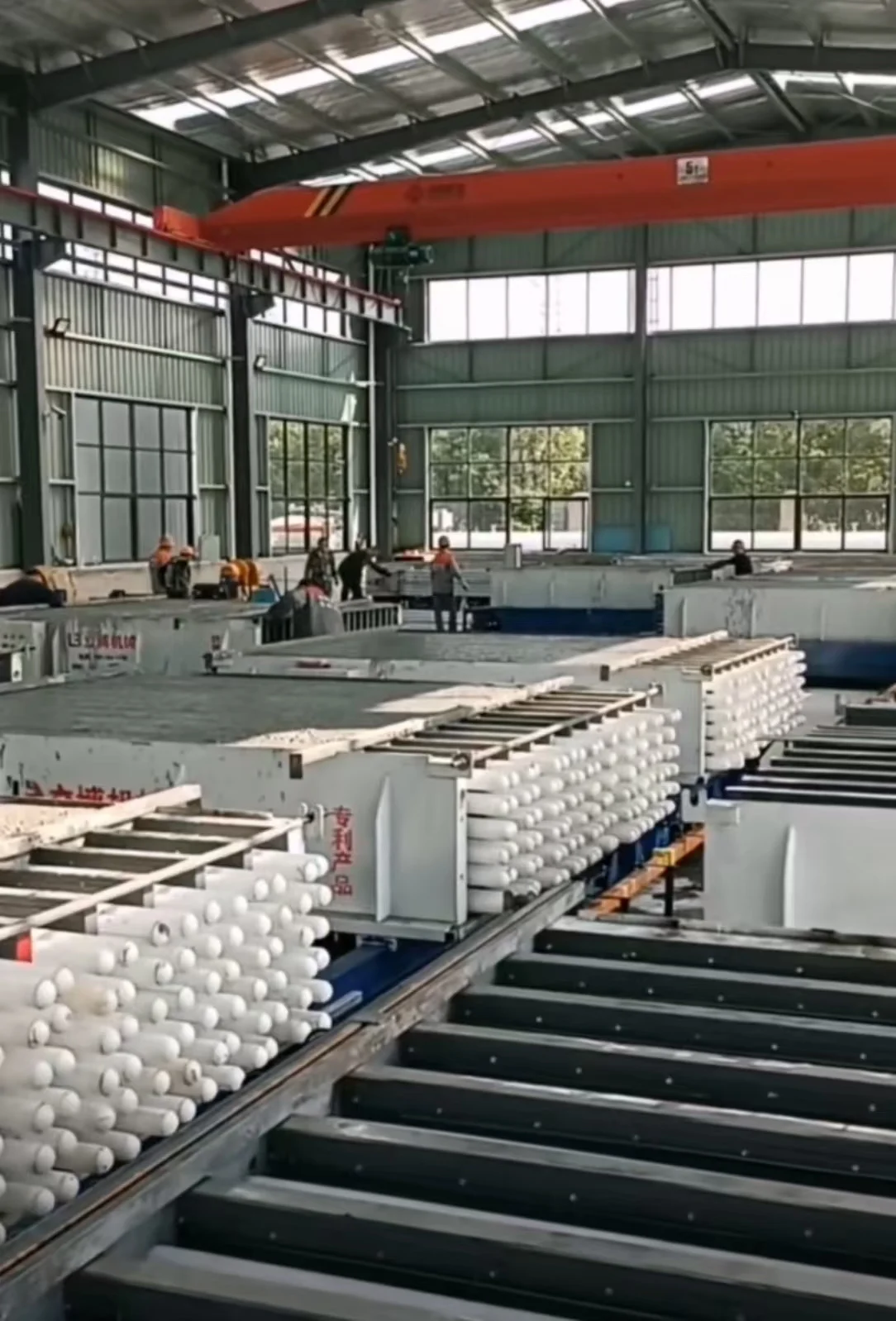
Automatic prefabricated wall production lines effectively solve these pain points. They mass-produce lightweight partition panels and precast concrete fences for fast on-site assembly, eliminating complex on-site pouring and long curing processes. Closed production systems reduce labor demand and simplify environmental approval. With 20 years of professional manufacturing experience, Jinan LiBo Machinery focuses on eco-friendly, automated prefabricated building machinery. Based on field verification of over 100 operational factories, this article introduces four high-efficiency, fast-payback machine models for building material plant investment reference.
1. Four Main Types of Automatic Prefab Wall Machinery
1.1 Lightweight Partition Board Machine – High-Demand, Repeat-Order Model
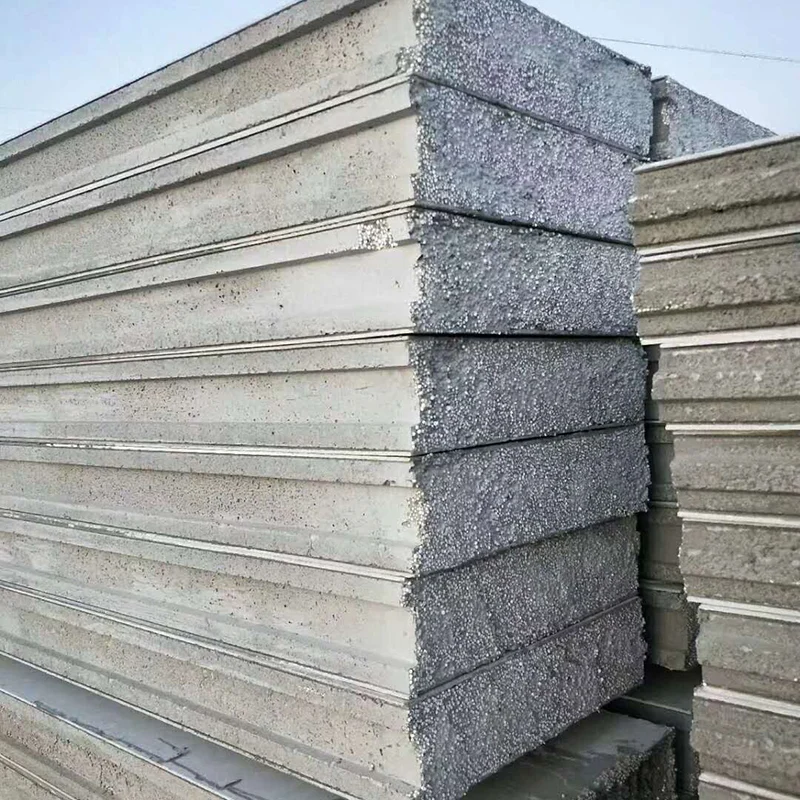
Modern high-rise buildings, schools and shopping malls prefer lightweight partition panels over traditional red bricks for interior walls. These panels meet standard fire and sound insulation requirements, cut on-site construction time by half and reduce overall project labor costs, sustaining stable market demand.
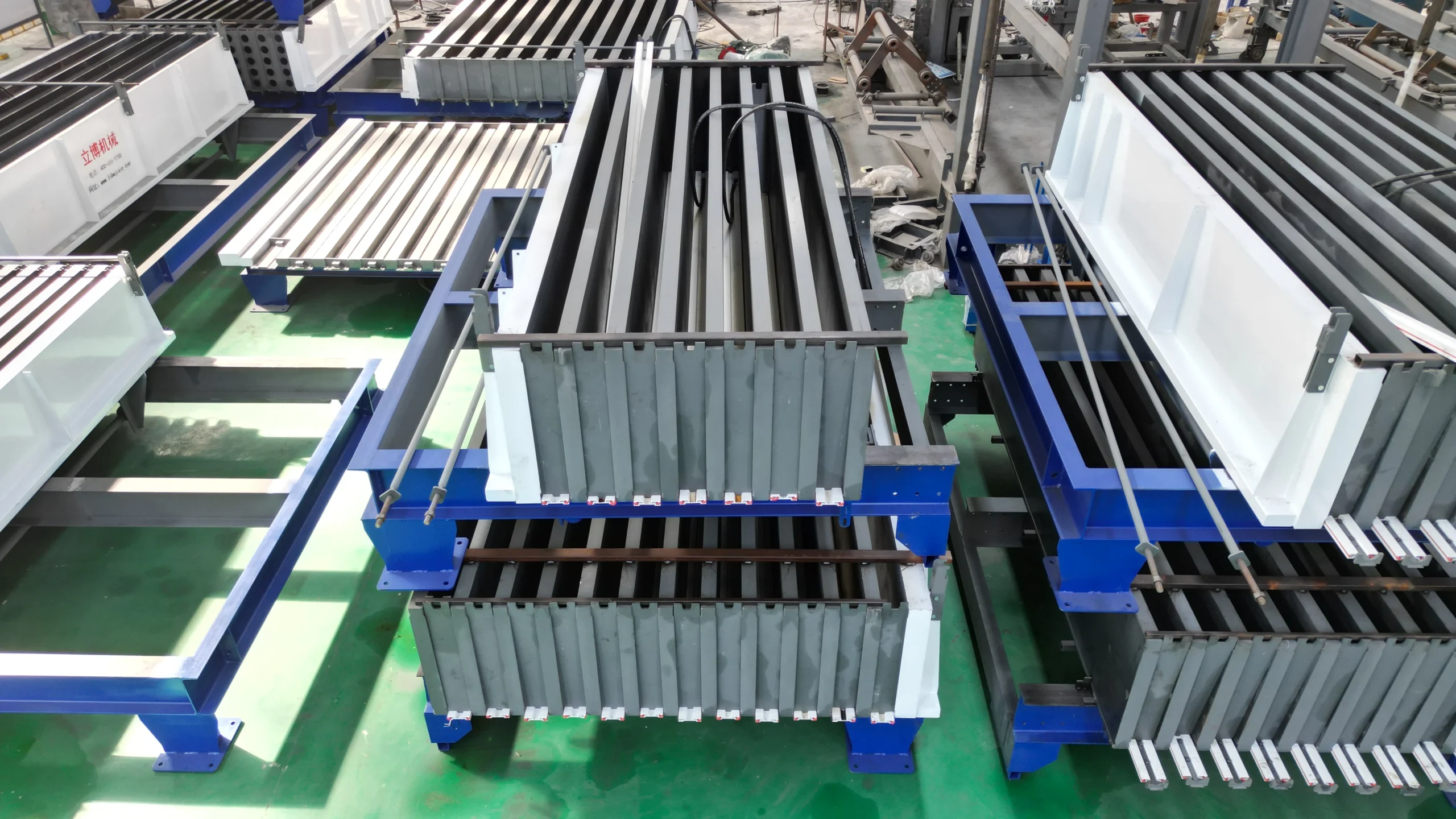
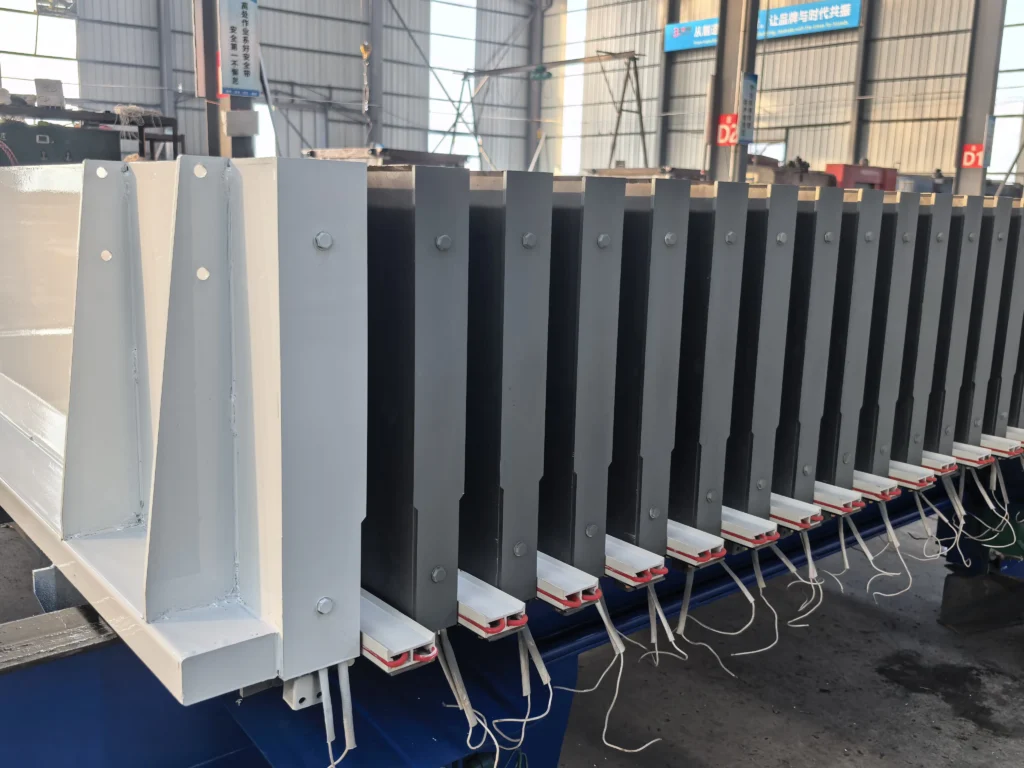
Uneven panel thickness from low-end machines causes assembly gaps and extra plastering work. LiBo’s vertical hydraulic forming system controls thickness errors within millimeters, delivering smooth finished panels for direct installation without secondary treatment. The machine supports flexible size switching by replacing simple molds, producing 90mm, 120mm and 150mm panels to fit residential, commercial and corridor wall needs, saving costs of multiple production lines.
The fully automatic line covers automatic weighing, mixing, core pulling and demolding with minimal manual intervention. Verified operational data shows the line only needs 3–5 workers per shift, with a daily output of 1,000–1,500 square meters and annual full-capacity output of 500,000 to 1,000,000 square meters. Most factories recover equipment costs within 6–10 months, ensuring low capital pressure and fast profit turnover.
1.2 Automatic Concrete Fence Machine – Long-Term Stable Profit Model
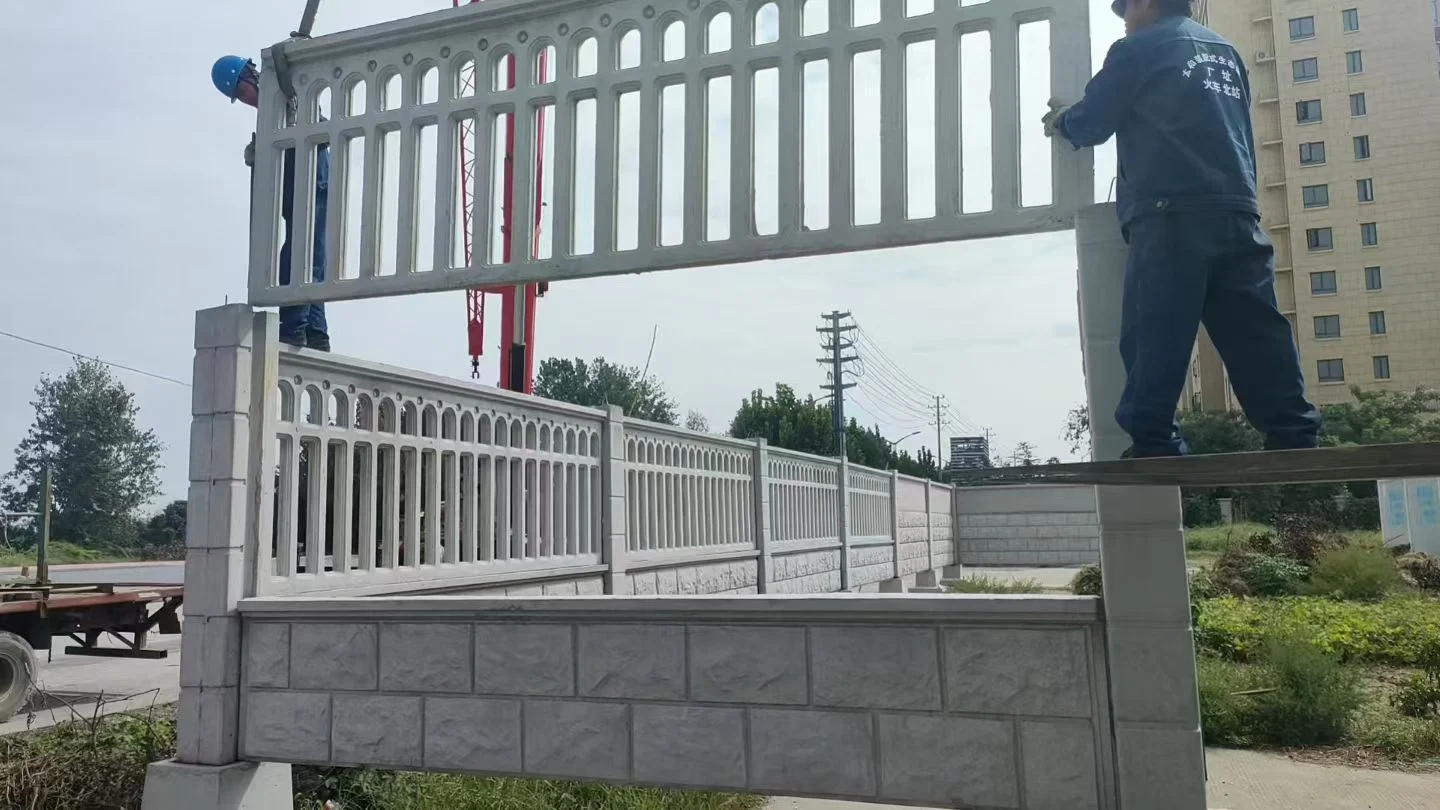
Precast concrete fences have replaced traditional brick fences for residential yards, industrial park boundaries and roadside protection projects. Brick fences feature long construction cycles, high mason labor costs and single styles, while precast concrete fences offer lower raw material costs, customizable appearances and fast assembly, bringing sustainable repeat orders.
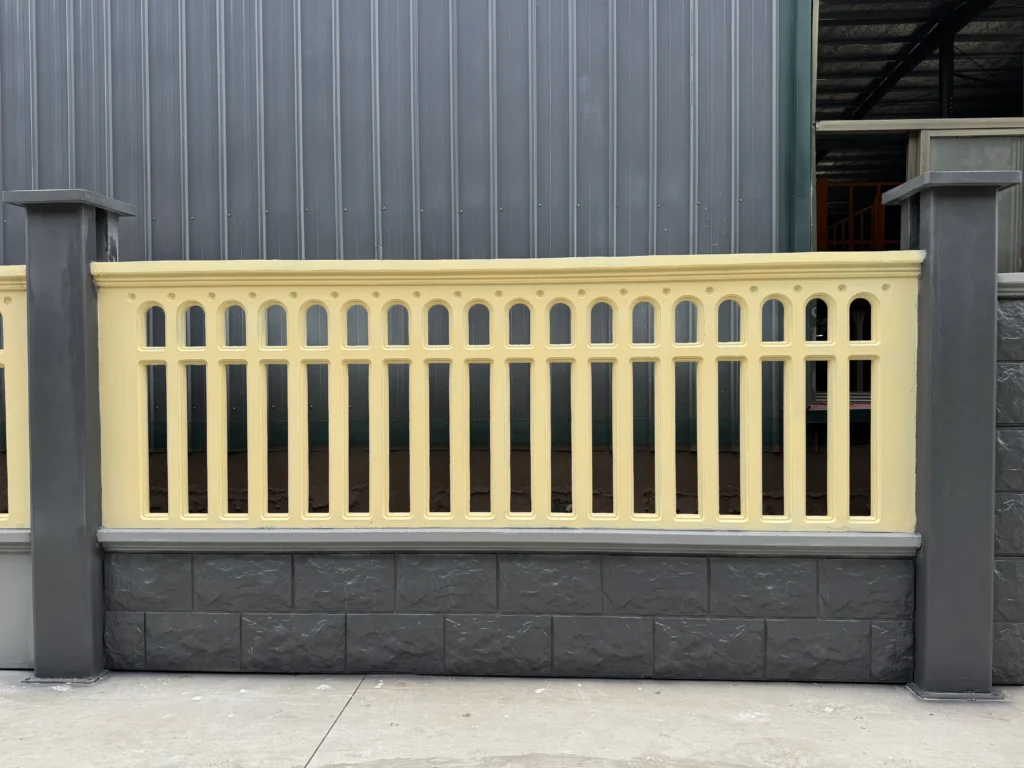
Ordinary low-cost fence machines only adopt simple vibration, resulting in loose, crack-prone finished products. LiBo’s high-frequency synchronous vibration technology, paired with embedded steel mesh, boosts the finished fence’s compression strength by 30% per third-party tests. The products resist weather erosion and minor impacts with low maintenance rates, helping factories build reliable market reputations.
Custom machines support European hollow, stone-textured and flat boundary wall styles to win more engineering bids. Precast panels install quickly with standard H-shaped columns using ordinary workers, cutting overall construction costs by over 50% and attracting long-term cooperation with construction teams.
This equipment has low site requirements. Only a small indoor area for the main unit and mixer, plus 500–1,000 square meters of outdoor flat ground for product curing, is enough for production. Raw materials including cement, sand, stone scraps and steel mesh are widely and cheaply available locally with no supply shortage risks.
1.3 Gypsum Wall Panel Machine – Low-Investment, Fast-Return Model
Gypsum wall production makes full use of industrial desulfurized gypsum waste, with many regions offering tax and site policy support for solid waste recycling projects to boost factory profits. Gypsum panels reach Class A fire resistance and adjust indoor humidity automatically, suitable for all climate areas with far less market competition than cement panels.
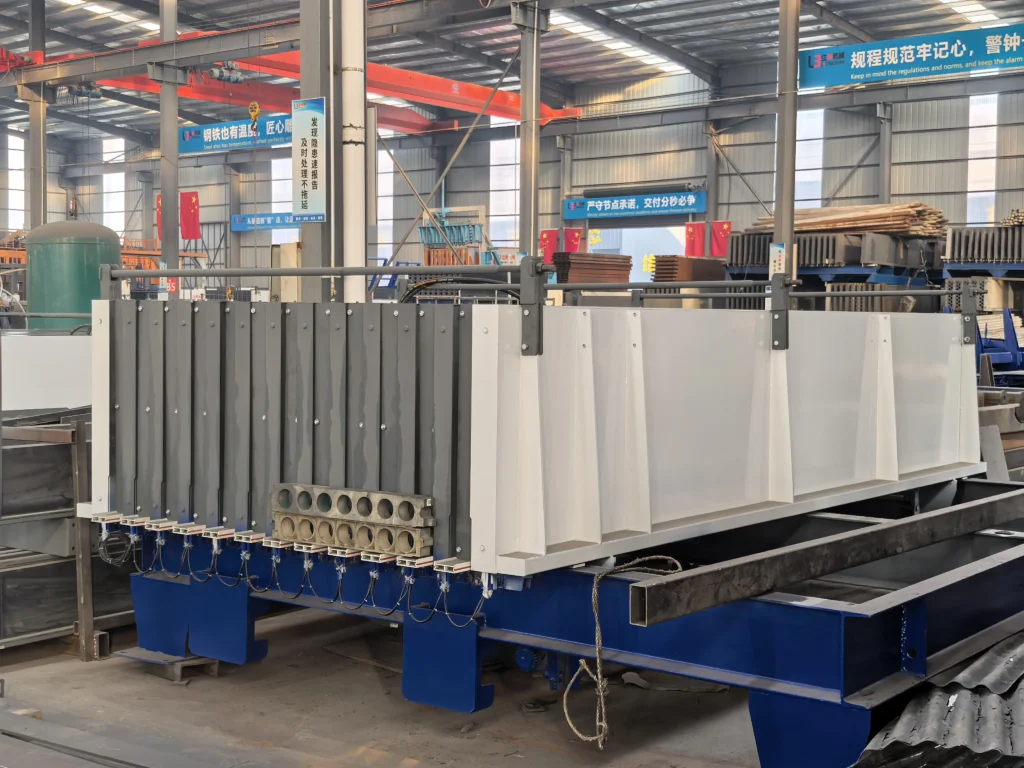
Its biggest advantage is ultra-fast molding. Unlike cement products requiring over 10 days of curing, LiBo’s horizontal molds can complete the molding of gypsum wall panels in just 8hours, and the pipe extraction process only takes a few minutes. The room-temperature production process needs no boilers or waste gas discharge, greatly simplifying environmental approval and saving pollution control costs.
Precise microcomputer control keeps material mixing errors below 0.5%, ensuring consistent panel hardness and density to avoid customer returns. Fast curing eliminates the need for large curing yards and cuts land rent. Waste gypsum raw materials are low-cost or free, reducing overall material costs by nearly one-third and bringing higher profit margins for new small factories.
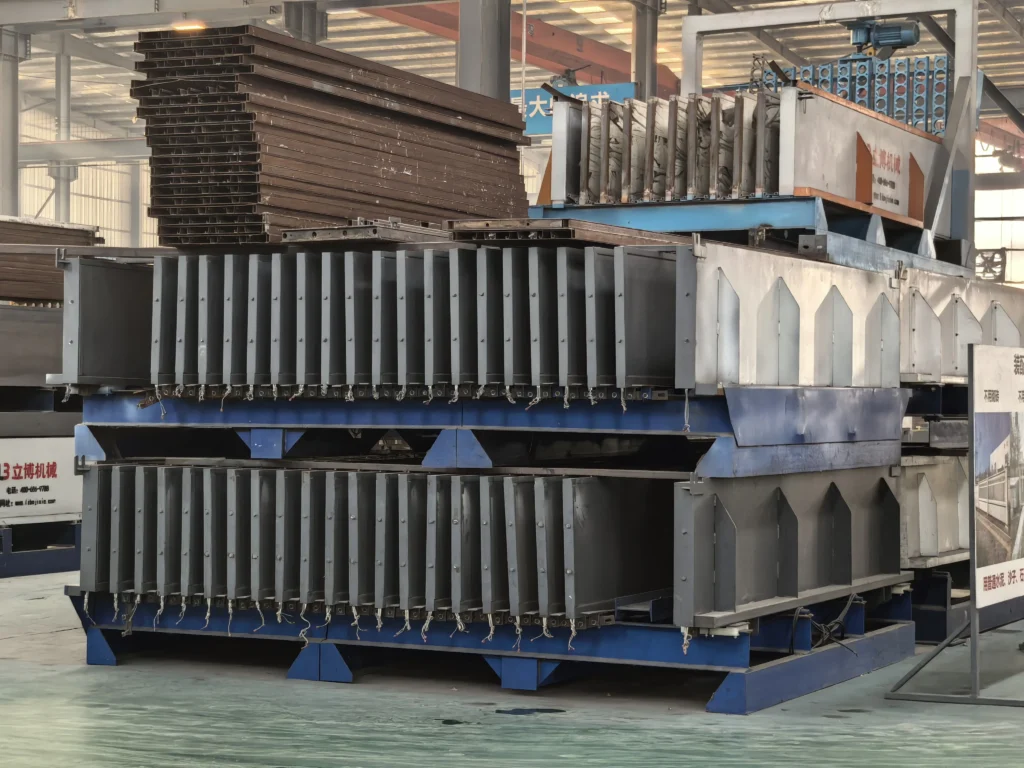
1.4 EPS Lightweight Composite Wall Machine – Popular for Insulation & Export
Strict global building insulation standards drive strong demand for EPS composite wall panels, widely used in prefab villas, as well as construction projects in Southeast Asia, the Middle East and Africa. These panels adopt calcium silicate board surfaces with a core of cement, fly ash and EPS foam particles, featuring ultra-light weight, excellent heat insulation and sound insulation.
Ordinary mixing equipment causes EPS foam floating and layered, hollow defective panels. LiBo’s mixer ensures full integration of foam and slurry for uniform, crack-free internal structures. Qualified seismic performance and over 100kg single-point hanging load ensure stable installation of household and facility equipment, achieving high customer acceptance rates.
The automatic line realizes one-step core material pouring and panel alignment, reducing manual errors and long-term labor costs, making it ideal for mass production and export orders.
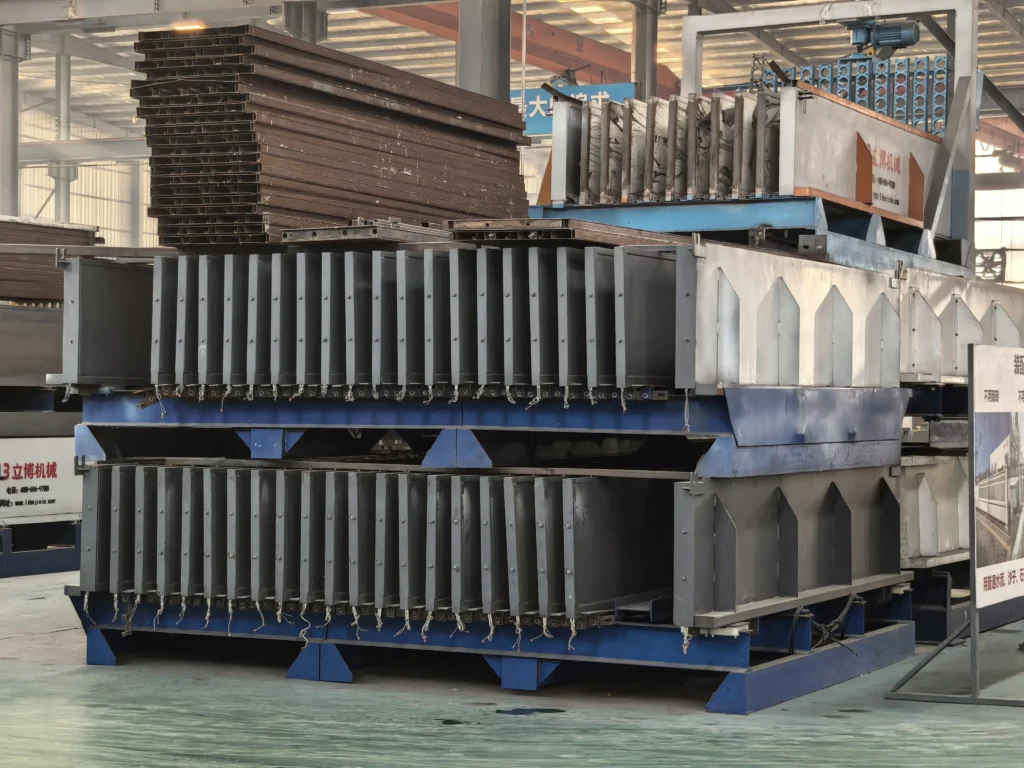
2. Why Low-Price Machinery Causes Long-Term Losses
Most new factory owners choose equipment purely based on low quotes, which is the main cause of investment failure. Cheap machinery saves initial purchase costs but leads to huge losses from frequent repairs, wasted products and production shutdowns.
Low-end machines use thin non-standard steel frames and molds. After long-term high-pressure and vibration operation, molds deform, producing unqualified curved and bumpy panels that construction parties reject. LiBo’s equipment adopts thick national standard carbon steel, weighing 1–2 tons more than peer products of the same model. The sturdy structure supports 24-hour continuous stable operation, minimizing post mold deformation and replacement costs.
Core hydraulic and electrical components determine production stability. Low-cost unbranded parts are prone to oil leakage, motor burnout and system failure in dusty, humid workshop environments, causing frequent shutdowns and delayed orders. All LiBo machines are equipped with premium brand components and PLC intelligent control systems, adapting to harsh production conditions for continuous, stable operation and consistent order delivery.
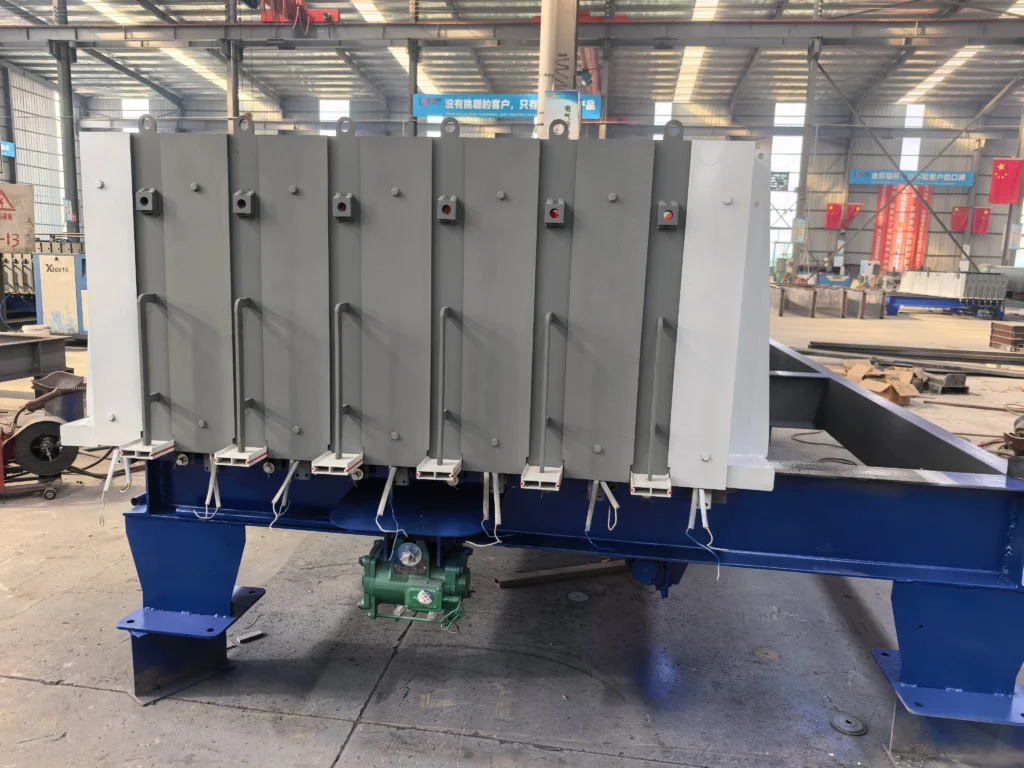
3. LiBo One-Stop Turnkey Factory Solution
Professional factory construction requires systematic support rather than simple equipment procurement. LiBo provides full-cycle turnkey services to help new factories launch stable production quickly, covering on-site survey, free factory layout design, equipment installation and debugging, customized local material formulas, worker training and 24/7 after-sales support.
LiBo engineers design targeted factory layouts, foundation drawings and material transportation routes based on actual site conditions to avoid costly later reconstruction. Custom formulas tested with local raw materials eliminate panel cracking, hollowing and strength defects while cutting material costs.
On-site hands-on training enables zero-experience workers to operate the full production line independently in 3–5 days, eliminating the need for professional high-wage operators. A complete spare parts warehouse and remote troubleshooting support shorten downtime to ensure continuous production during peak order periods.
4. FAQ
Q1: Is industry experience required to run an automatic wall panel factory?
A1: No prior experience is needed. The PLC intelligent system supports automatic operation after one-time parameter setting. LiBo’s team completes all site planning, formula debugging and worker training, allowing investors to focus on market development and order docking.
Q2: What are the basic site and power requirements?
A2: Factories need 500–1,000㎡ indoor workshop (minimum 5m height), 1,000–2,000㎡ outdoor flat ground for curing and storage, and 380V industrial three-phase electricity (80–150kw). Engineers provide precise power matching solutions for different machine combinations.
Q3: Are raw materials easy to purchase?
A3: All core materials are universal building supplies available locally. LiBo’s supply chain resources also help clients access high-quality, low-cost raw materials to reduce production expenses.
Q4: What are the advantages of precast concrete fences over brick fences?
A4: Precast fences cut construction costs by over 40% with shorter cycles and uniform, customizable styles. They have obvious bidding advantages and broader market demand than outdated brick fences.
Q5: Do gypsum panels deform in humid areas?
A5: With professional waterproof additives and customized high-humidity formulas, standard-produced gypsum panels resist moisture, warping and softening, suitable for long-term use in rainy and humid regions.
Final Guide for Wall Machinery Investment
The global prefab lightweight wall market maintains steady growth. Upgrading from outdated manual production to automatic assembly lines is the key for traditional concrete factories to avoid elimination and increase profits.
Equipment quality and long-term after-sales service determine 5–10 years of factory profitability. With 20 years of manufacturing experience, LiBo delivers high-standard machinery, stable automation technology and full-cycle technical support to reduce factory transformation risks.
Factory owners planning to invest in lightweight partition panel machine, concrete fence machine, gypsum or EPS composite wall machines can contact LiBo for free factory cost analysis, real profit payback reports and direct factory quotes to get reliable investment reference.