





Introduction
With China’s strong push for carbon neutrality and the rapid growth of prefabricated buildings, lightweight building materials have become the heart of industry transformation. Gypsum wall panels are now the top choice for interior walls and ceilings. They are eco-friendly, fireproof, and sound-insulating. Most importantly, they allow for high-speed construction, gradually replacing traditional clay bricks in modern projects.
The domestic market for gypsum wall panels now exceeds 30 billion RMB, growing at about 12% every year. Lightweight panels make up over 65% of this market. By using industrial by-products like phosphogypsum as raw material, these panels reduce building weight by over 30% and cut construction time by half. This perfectly meets the strict requirements of green building standards.
For manufacturers, choosing high-quality gypsum wall panel equipment is the most critical step. However, uneven equipment quality in the market often leads to low capacity and high maintenance costs. Founded in 2007, Jinan Libo Machinery has over 20 years of experience and serves more than 10,000 customers globally. With our automated production lines, we help enterprises avoid wrong choices and achieve efficient production.
1. Basic Knowledge of Gypsum Wall Panels
1.1 What is a Gypsum Wall Panel?
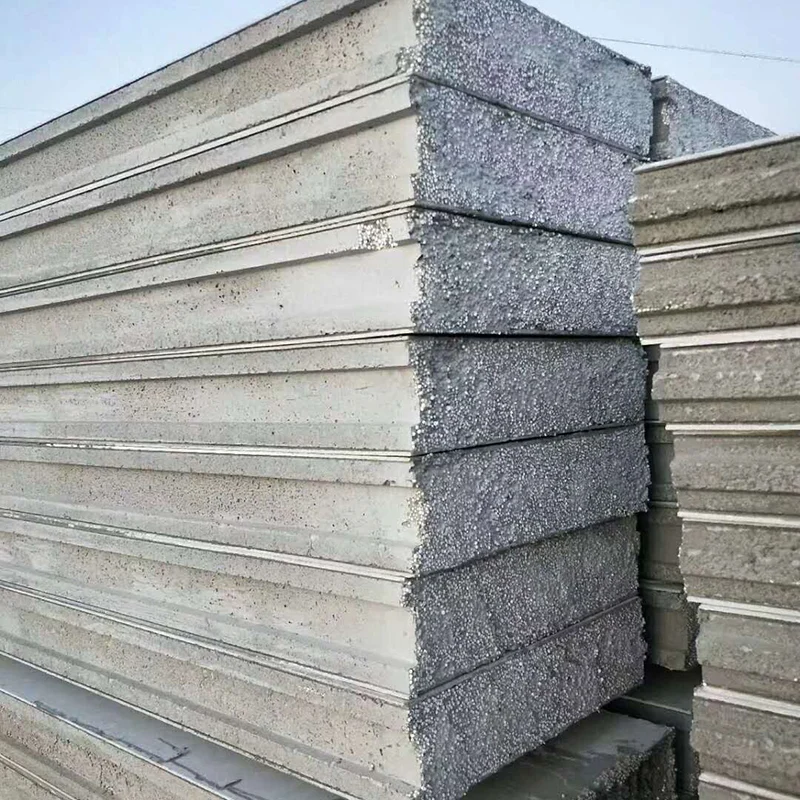
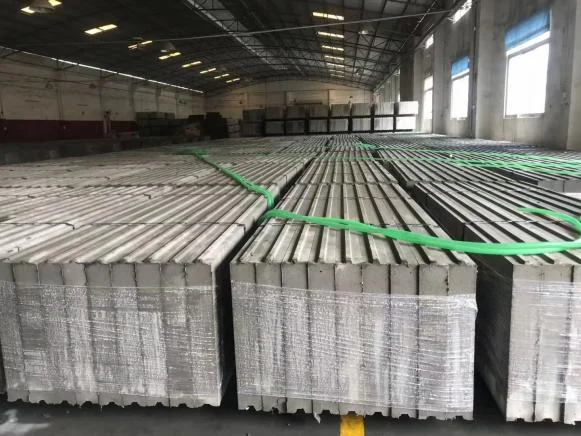
A gypsum wall panel is a lightweight building board. It is made from cooked gypsum (usually industrial waste like phosphogypsum or desulfurized gypsum) as the main material. After adding reinforcing fibers and special modifiers, it is created through professional batching, mixing, molding, and drying.
Core Features: High-quality gypsum wall panels are very light. Their density is usually between 35 and 65 kg per square meter, which is only 1/10 the weight of a brick wall. They are also fireproof, moisture-proof, and odorless.
Environmental Value: Using industrial waste to make these panels is great for the planet. For every 10 million square meters of panels produced, about 150,000 tons of industrial solid waste are consumed, and 120 mu of farmland is saved.
1.2 Common Types and Applications
Based on usage, gypsum panels are divided into three main types:
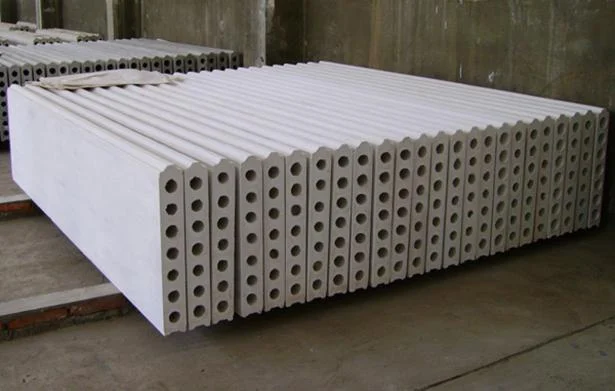
Hollow Gypsum Wall Panels: Mostly used for interior partitions to reduce the weight of the building structure.
Solid Gypsum Partition Panels: These have high strength and are used for home decoration or walls that need to withstand impact.
Waterproof and Fireproof Panels: These include special additives to resist moisture or high heat.
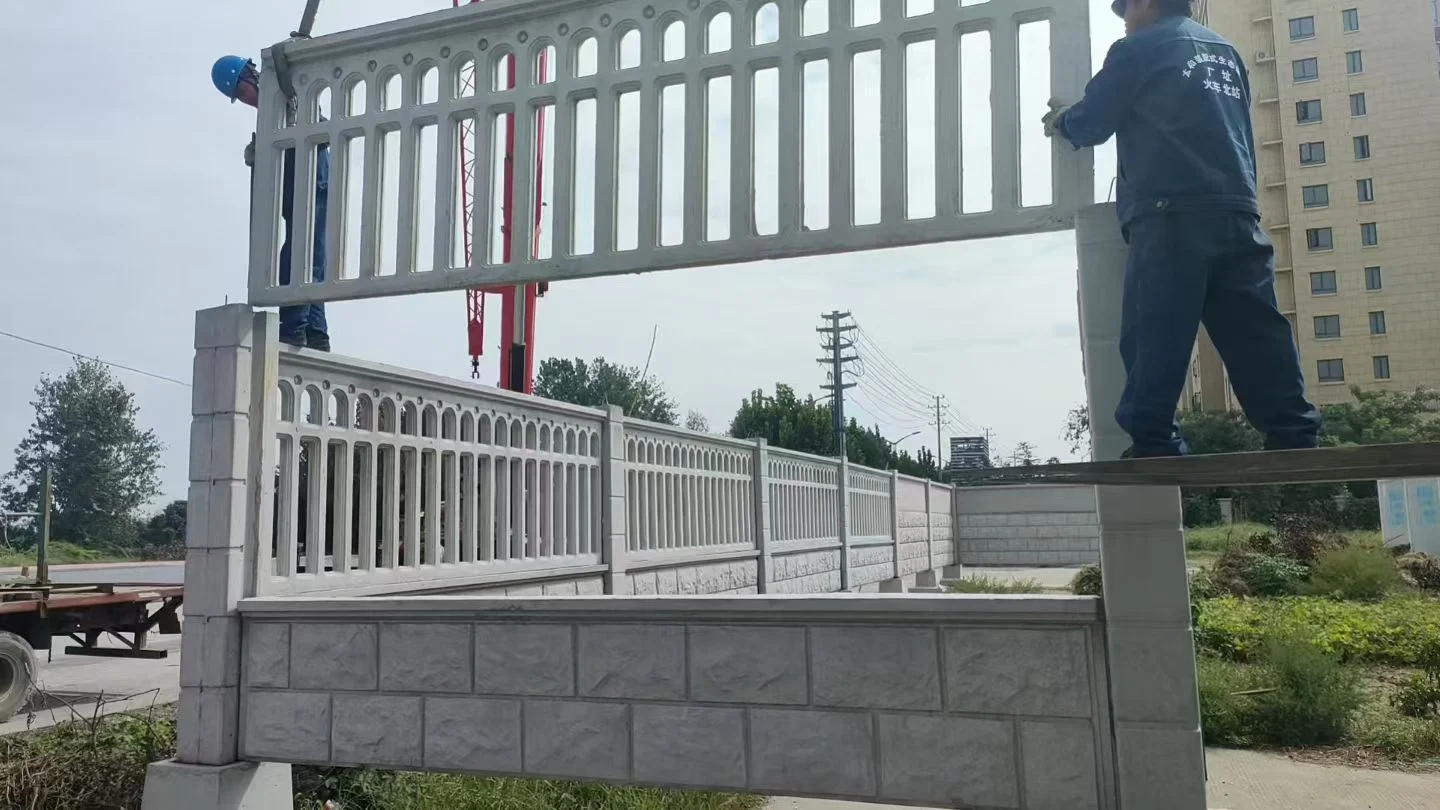
Application Scenarios: These panels are widely used in houses, offices, apartments, and factories. They are especially popular in hospitals and schools where sound insulation and fire safety are vital. According to our customer data, panels made by Libo equipment have been used in over 10,000 construction projects, including large commercial complexes and industrial plants.
2. Core Equipment for Production
When selecting equipment, you must understand the difference between a single equipment and a full production line. They serve different business needs.
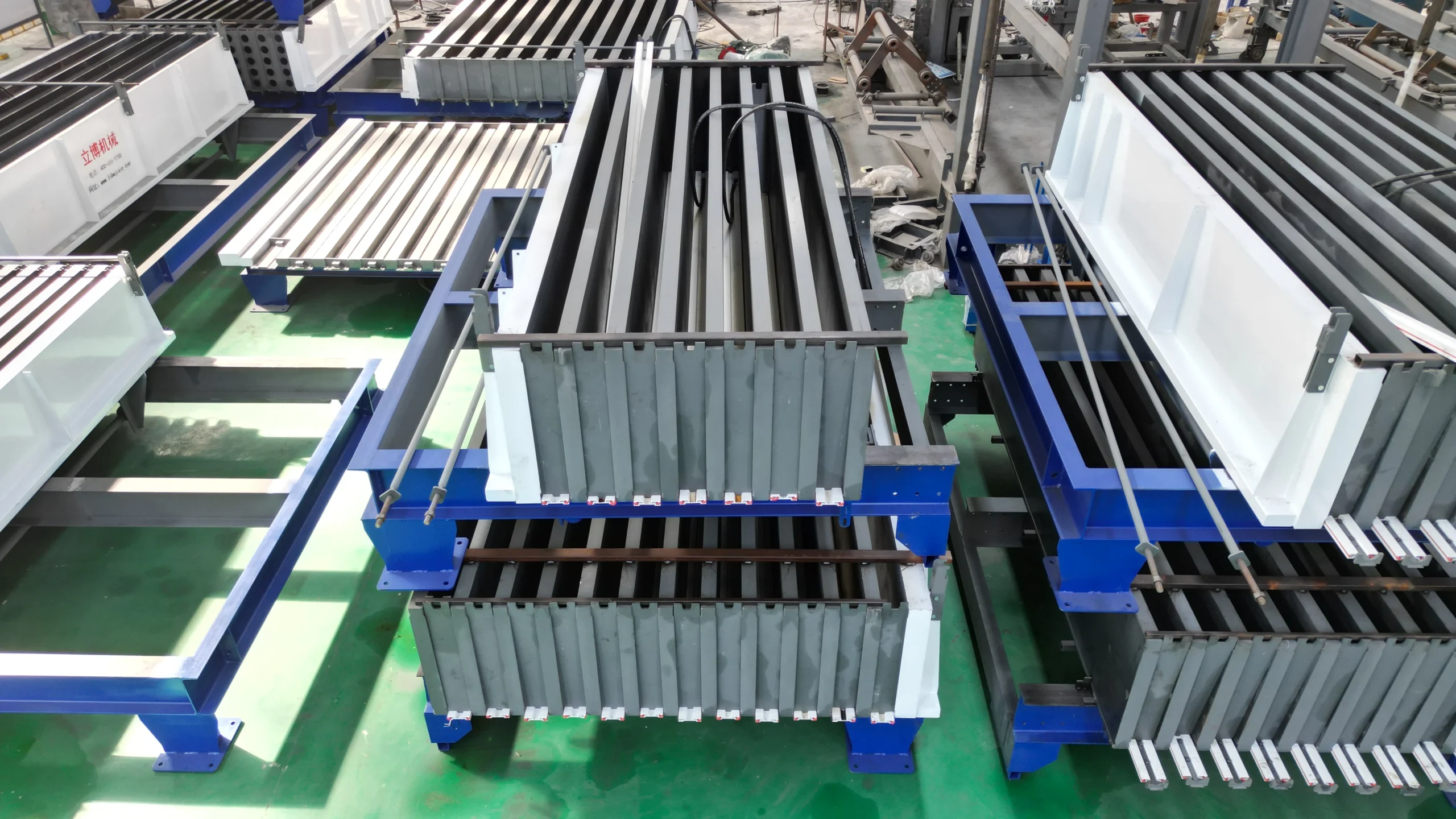
2.1 Gypsum Wall Panel Machine (Single Machine)
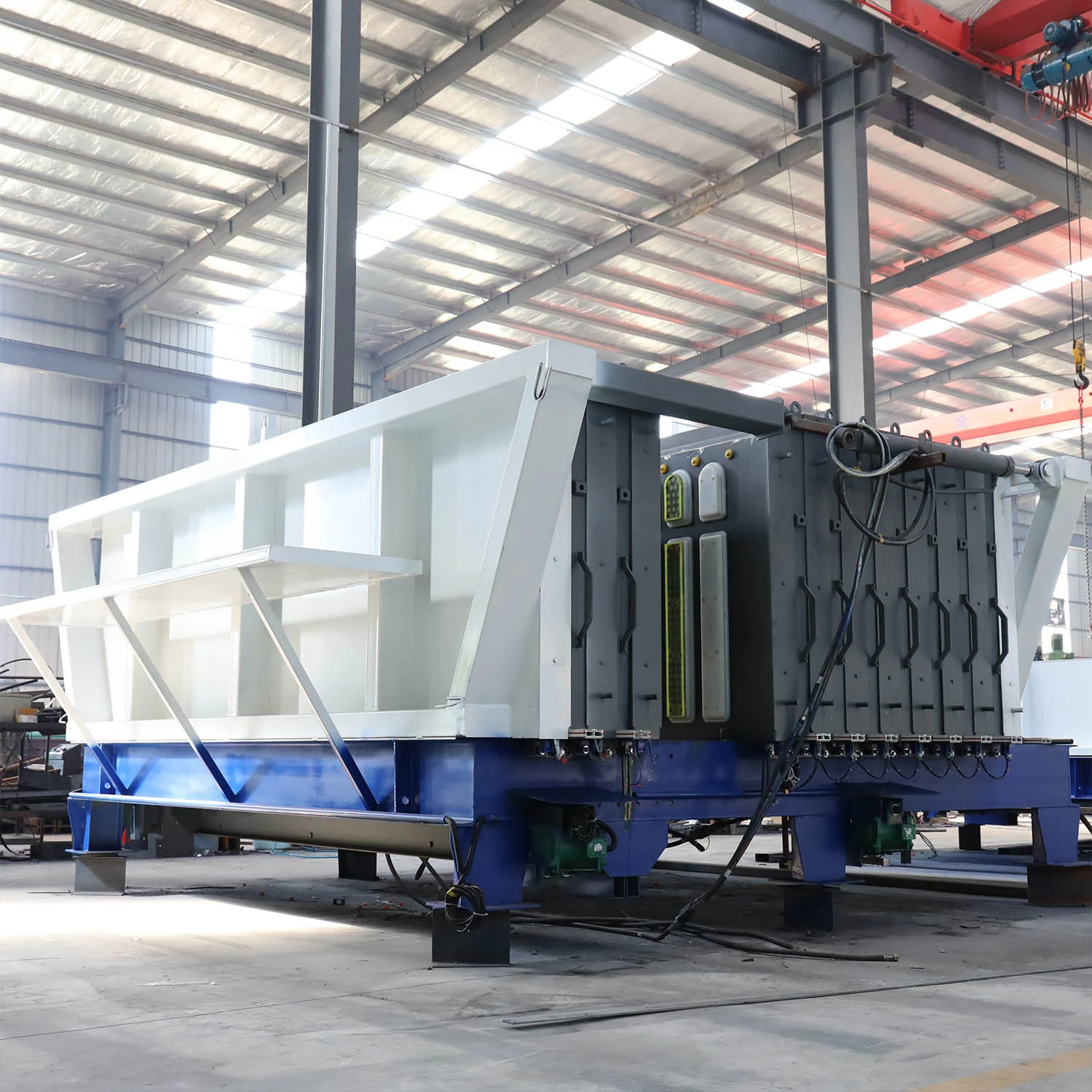
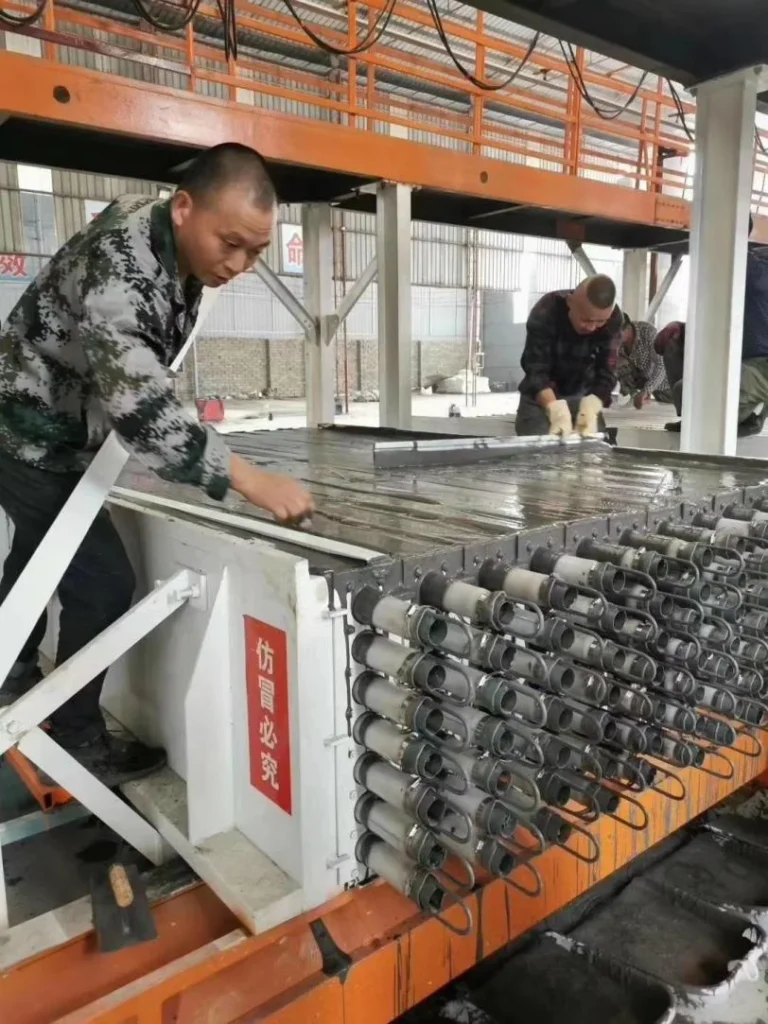
This is special equipment designed for flexible operation. It is best for small or medium production needs.
Capacity: A single-shift output is about 50 to 100 square meters per day.
Best For: Small factories and startups. It takes up very little space and requires a low initial investment. It is easy to operate even without highly professional technicians.
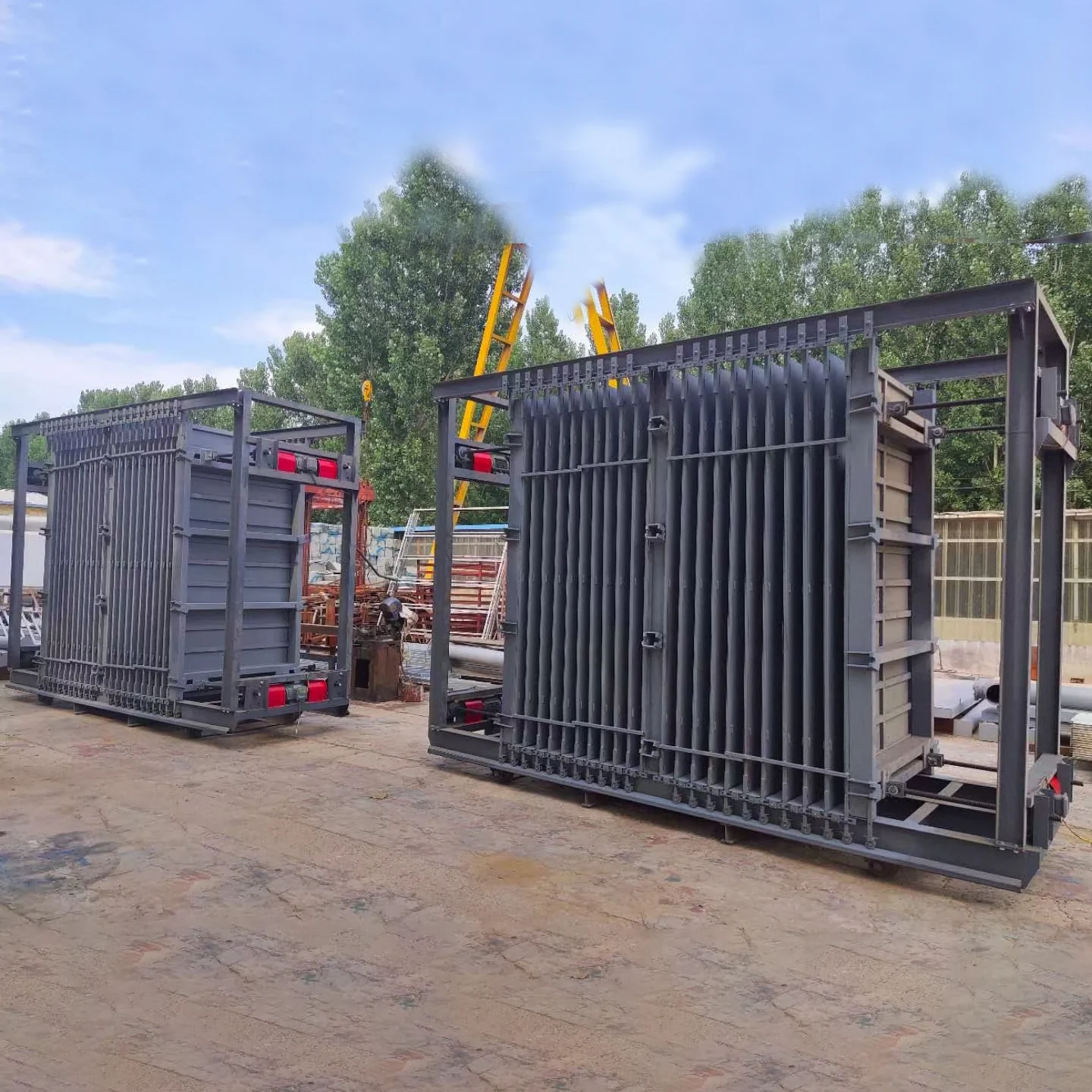
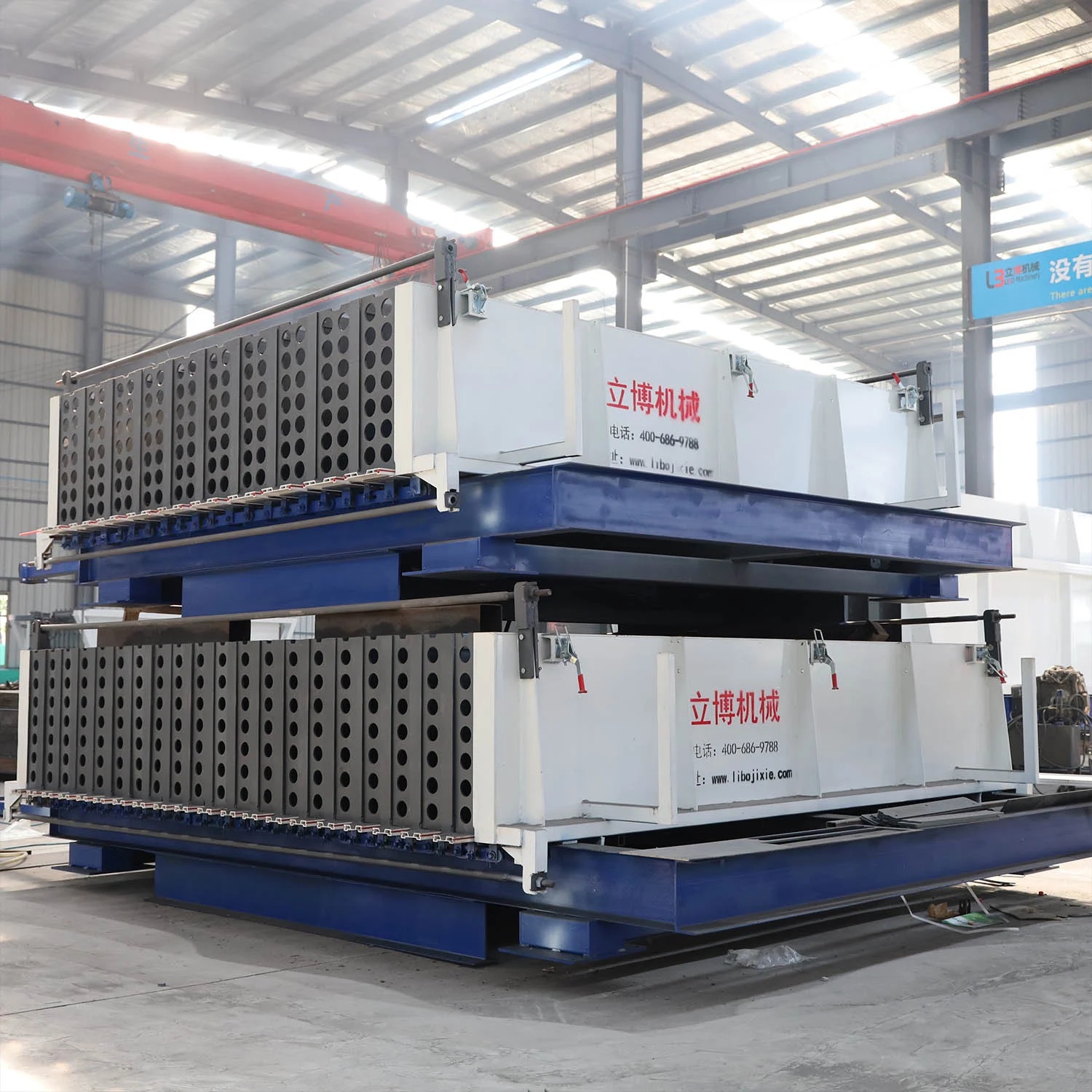
Libo Advantage: Our LB series machines can form between 2 and 20 boards at one time, and the size can be customized.
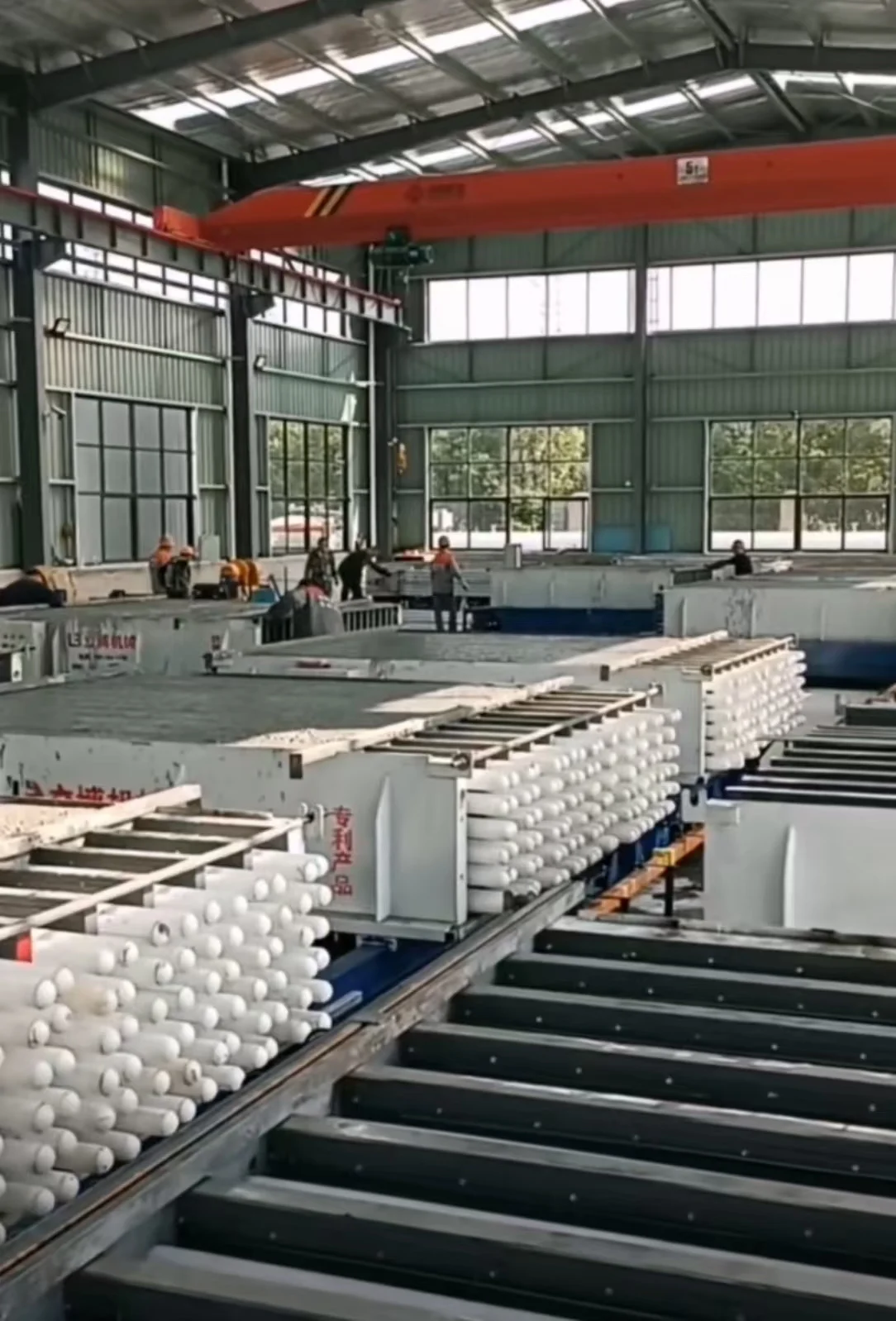
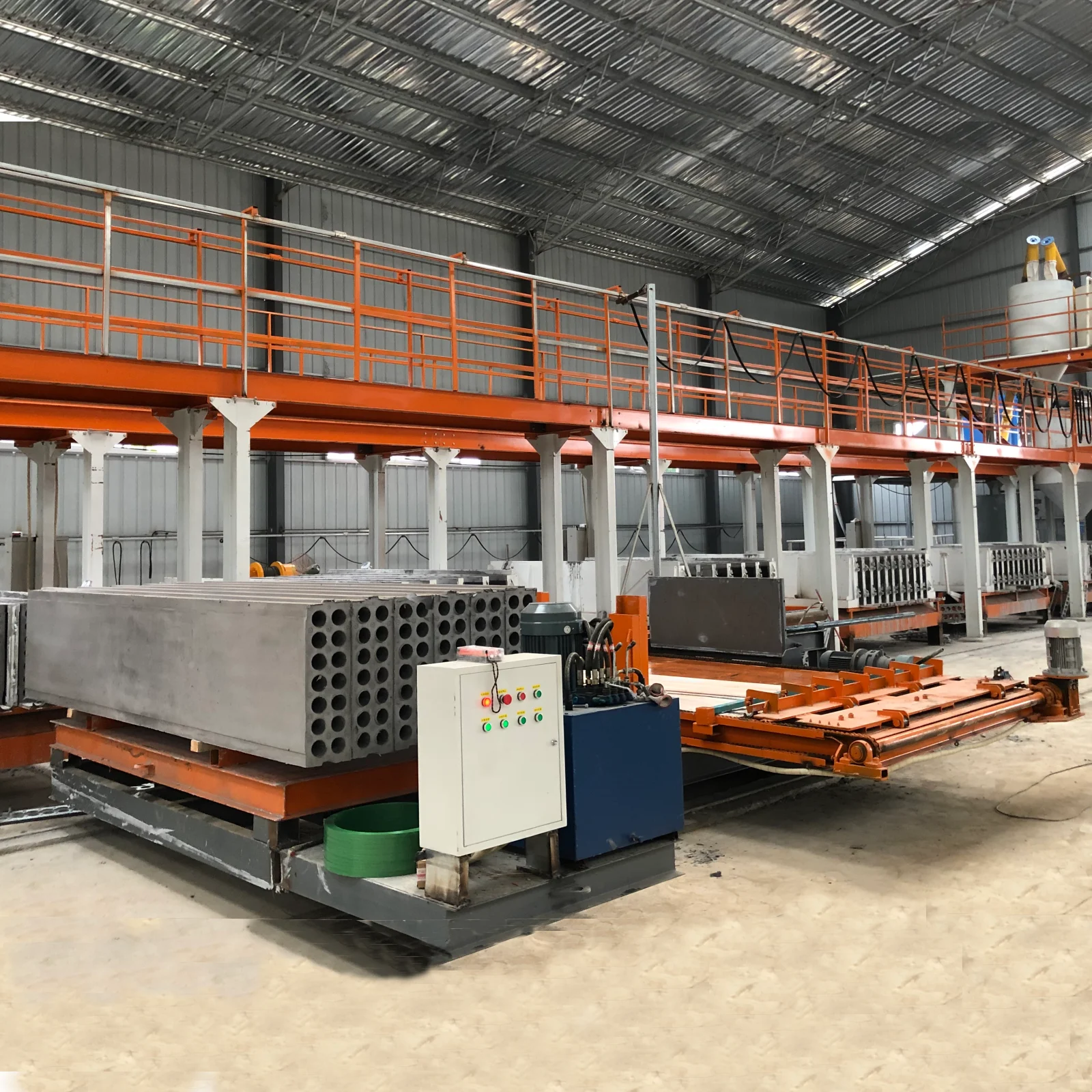
2.2 Automatic Production Line
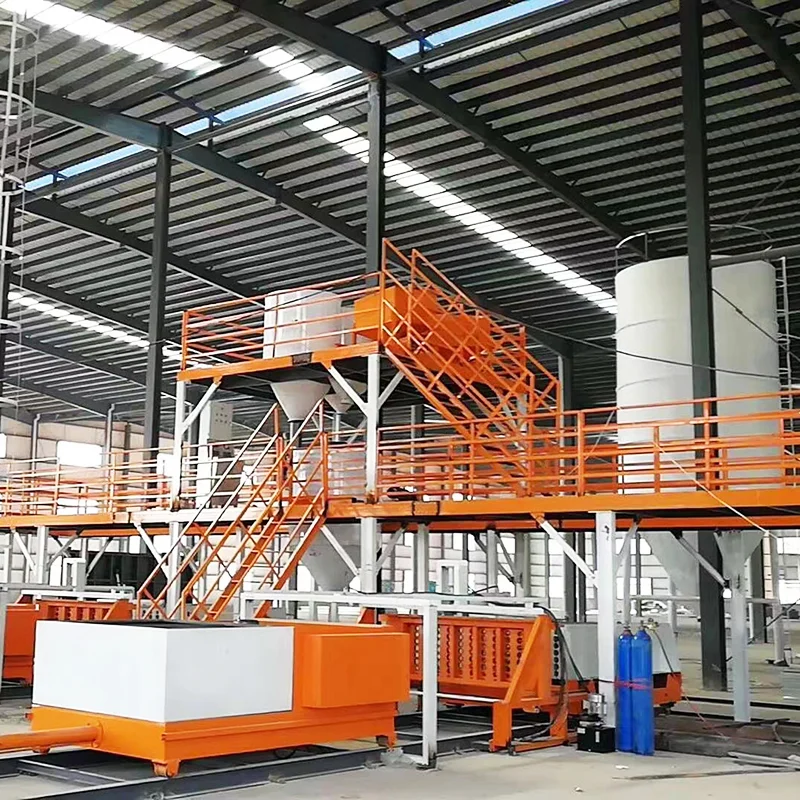
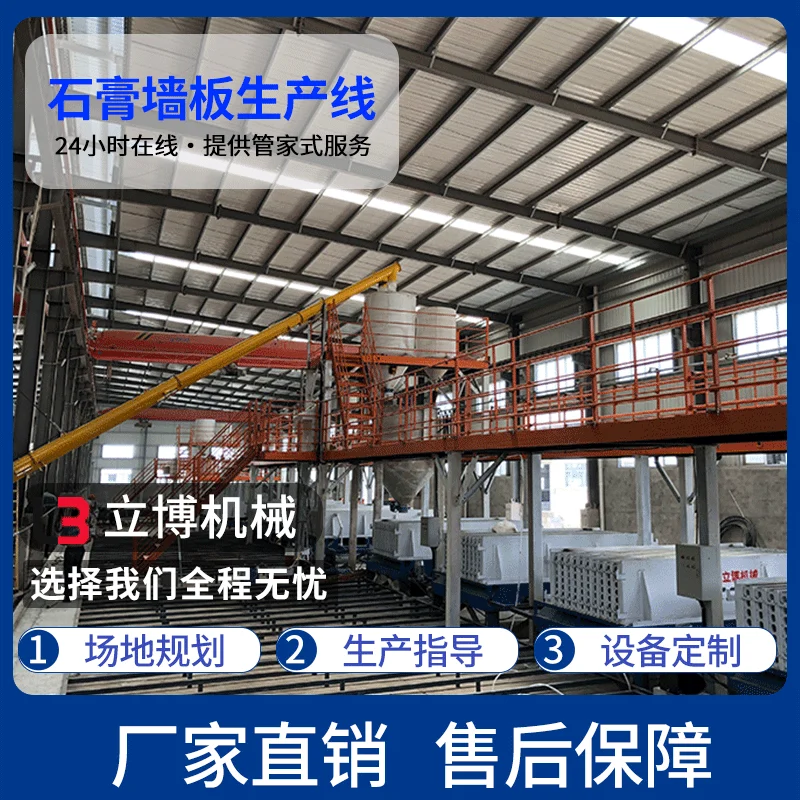
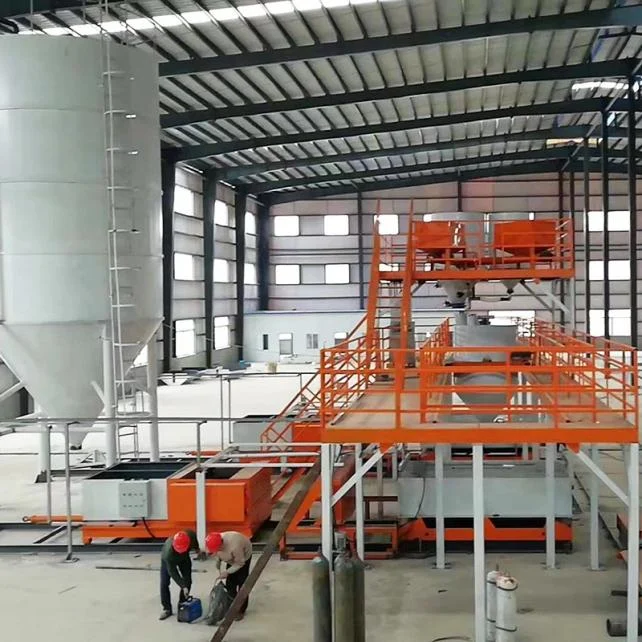
This is a full set of equipment that handles everything from raw material mixing to the finished product.
Capacity: A single line can produce 100 to 300 square meters per year.
Best For: Large-scale production and professional building material bases. It can run 24 hours a day to maximize efficiency.
Technical Highlights: We use a modular design. The mold plates are made of special alloy with silicone seals to prevent any leakage during high-pressure grouting.
3. Core Production Technology and Maintenance
3.1 The Production Process
The standard flow is: Raw material preparation → Automatic weighing → High-speed mixing → Casting → Molding and curing → Demolding → Stacking → Delivery.
To ensure high quality, you must control three key areas:
Material Ratio: The mix of gypsum, cement, and ash directly affects strength. High-quality panels should have a bending load of at least 1400N.
Mixing Speed: Because gypsum sets very fast, the mixing must be finished within 100 seconds using a variable frequency system. If it takes too long, the material will harden inside the machine.
Molding Seals: Gypsum slurry flows easily. Libo uses a “silicone seal plus composite elastic mold head” system to prevent leaks and reduce the breakage rate.
3.2 Daily Maintenance and Troubleshooting
To keep your factory running smoothly, follow these simple steps:
Cleaning: Wash the mixer and hopper after every shift to prevent dried gypsum from building up.
Seal Checks: Regularly check the silicone strips to prevent leaks.
Troubleshooting: If the boards are too weak, check your material ratio or the room temperature. If the gypsum panel equipment leaks, stop immediately and check the seals and core tubes.
Jinan Libo provides a 48-hour response service and a 1-year free warranty. We have trained over 3,000 operators to help our customers run their businesses successfully.
4. Industry Prospects and Selection Guide
4.1 Industry Outlook
The future is bright for two main reasons. First, government policies strictly limit the use of traditional bricks and offer tax benefits to eco-friendly companies. Second, the demand for prefabricated buildings is rising fast. Automated lines can help you reduce labor costs by 40% and material loss by 25%.
4.2 How to Choose Your Equipment (3 Steps)
Step 1: Define Your Goal. Are you supplying small local projects or large real estate developers?
Step 2: Match Your Budget. Startups should choose a single machine (like our LB model) because it is low-cost. Medium factories should look at an automated line with an investment of 5,000 to 1,0000 dollars. This usually pays for itself in 0.6 to 1.5 years.
Step 3: Avoid Pitfalls. Do not just listen to promises about capacity. Check if the mixer uses variable frequency and if the company offers 48-hour on-site after-sales service.
5. Frequently Asked Questions (FAQ)
Q: What makes gypsum boards better than traditional bricks?
A: They are lighter, fireproof, and much faster to install. They meet modern green building standards and offer a better return on investment.
Q: Is an automatic line too expensive for a small business?
A: It is a long-term investment. While a single machine is cheaper at first, the labor costs are higher. An automatic line provides more stable quality and saves money on labor.
Q: How does Jinan Libo prevent slurry leakage?
A: We use an alloy bottom plate combined with a silicone seal. We also use stainless steel anti-stick panels and pneumatic core tubes to ensure the molding process is clean and efficient.
Q: Can I upgrade my equipment later?
A: Yes! Our modular design allows for easy expansion. A single machine can eventually be integrated into a larger line, and a standard line can be expanded to double its output without replacing everything.
Conclusion
The gypsum wall board industry is entering a “golden age” thanks to green policies and the growth of prefabricated construction. As an eco-friendly and high-performance material, it will continue to replace old-fashioned bricks, offering long-term market growth.
For manufacturers, your equipment determines your profit. Whether you are a small startup needing a flexible single equipment or a large group requiring a fully automatic production line, choosing the right partner is key. Jinan Libo Machinery provides the technology, quality, and service needed to help you succeed in this booming industry.