





Introduction
With the strong promotion of green buildings and prefabricated construction, EPS wall panels are rapidly replacing traditional bricks. These panels are popular because they are lightweight, heat-insulating, fire-resistant, and very easy to install. Whether they are used as interior partition walls in high-rise buildings or as the main structure for light steel villas, the demand for EPS wall panels continues to rise.
For investors and manufacturers, choosing the right production equipment is the most important decision. The right machinery determines your production efficiency and your market competitiveness. This article provides an in-depth analysis of EPS wall panel production lines and specialized main machines to help you find the best solution for your business.
As a leader in the industry, Jinan Libo Machinery offers over 20 years of expertise and has served more than 10,000 customers globally, providing automated solutions that help enterprises achieve high-efficiency production.
1. Basic Knowledge: Core Analysis of EPS Wall Panels
1.1 What Are EPS Wall Panels?
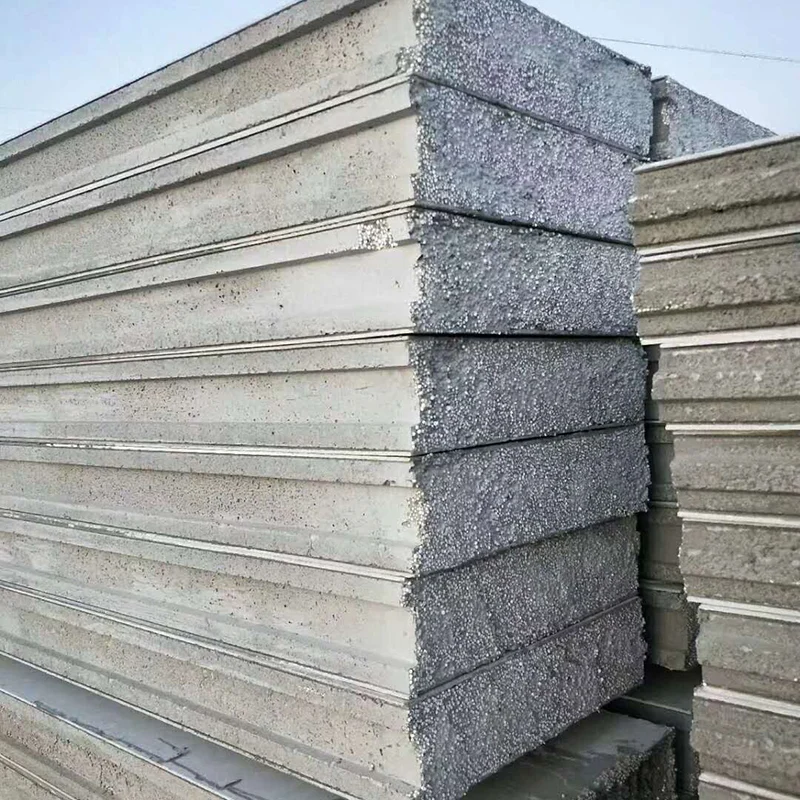
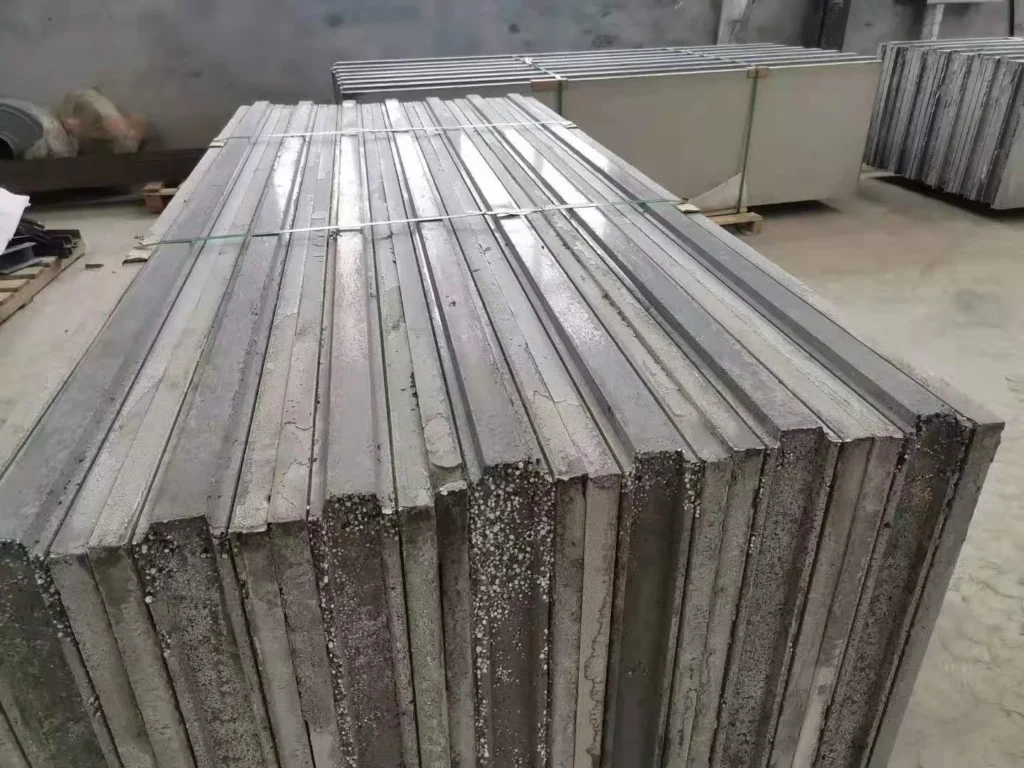
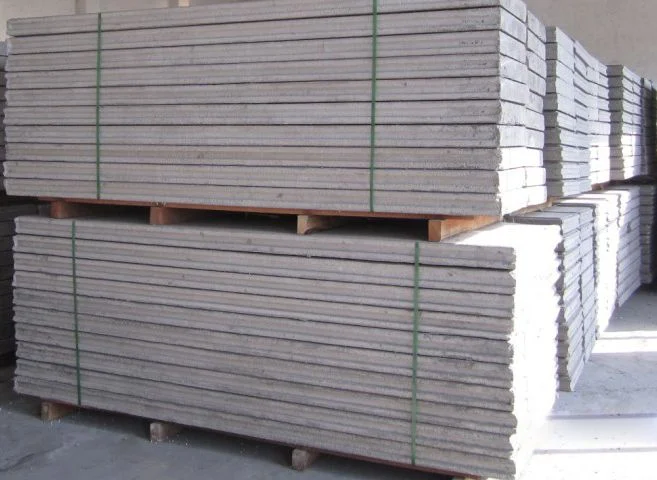
EPS wall panels are energy-saving building materials. They use Expanded Polystyrene (EPS) as the core material, combined with cement or various face panels. The main types include EPS cement wall panels, EPS concrete wall panels, and EPS composite wall panels. These products meet the modern construction industry’s need for fast, eco-friendly, and energy-efficient building solutions.
1.2 Common Types and Applications
Before buying equipment, you must understand the different types of panels, as each requires a specific production process:
EPS Cement Wall Panels: These are solid panels made by mixing EPS granules with cement and sand. They are mainly used for interior partition walls. This type requires equipment with excellent mixing uniformity, such as the EPS cement wall panel machine.
EPS Concrete Wall Panels: These are an upgraded version of cement panels with added coarse aggregates for higher strength. They are used in mid-rise and high-rise residential buildings. They require EPS concrete wall panel equipment that can handle stronger molding pressure.
EPS Composite Wall Panels: These have a “sandwich” structure. They feature two high-strength face panels (like calcium silicate boards) with an EPS foam core in the middle. They offer superior thermal insulation and are perfect for exterior walls and light steel villas. These are produced using EPS composite wall panel equipment.
2. Detailed Explanation of Core Equipment
If you plan to start large-scale production, a single equipment is often not enough. Jinan Libo Machinery provides everything from single specialized machines to fully automatic production lines.
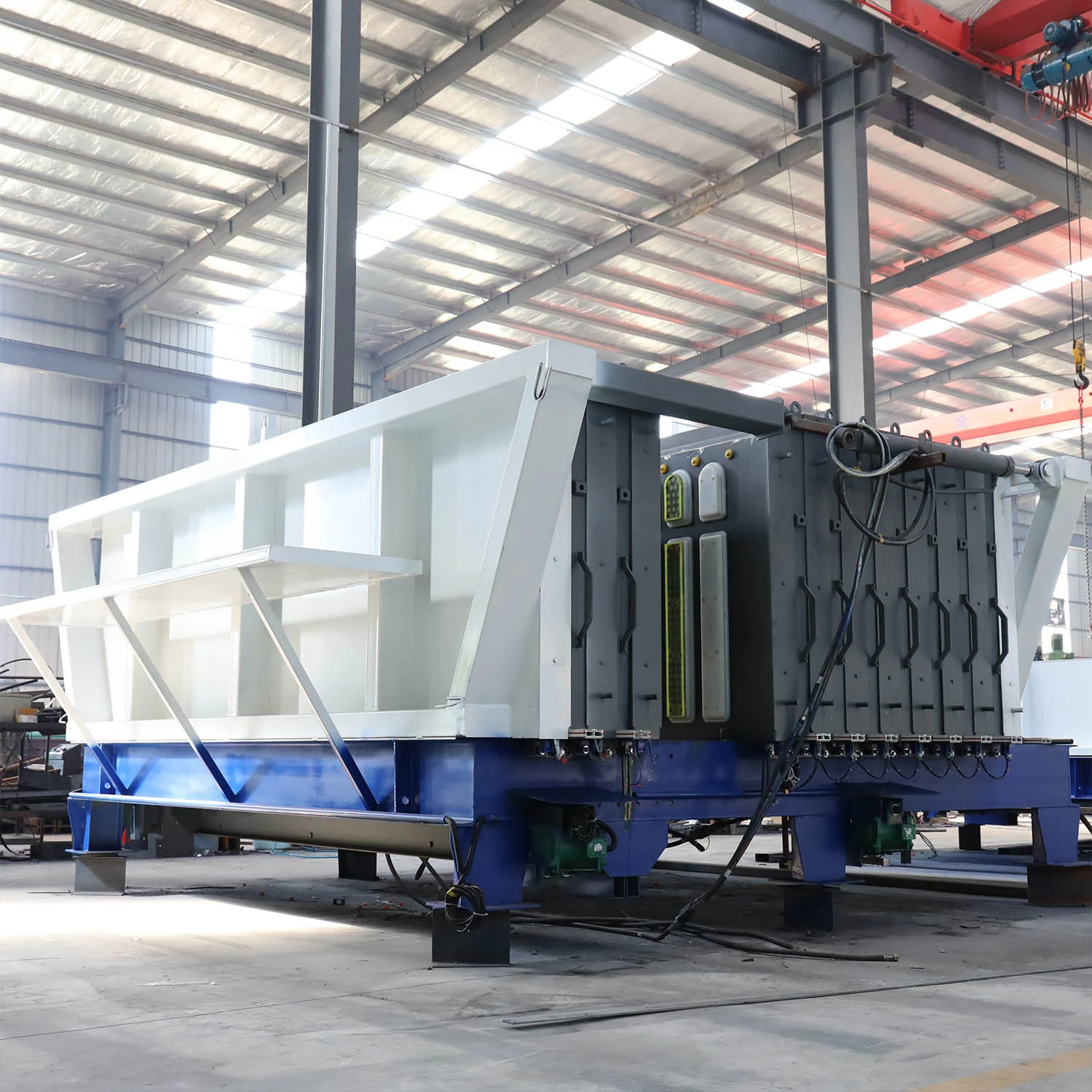
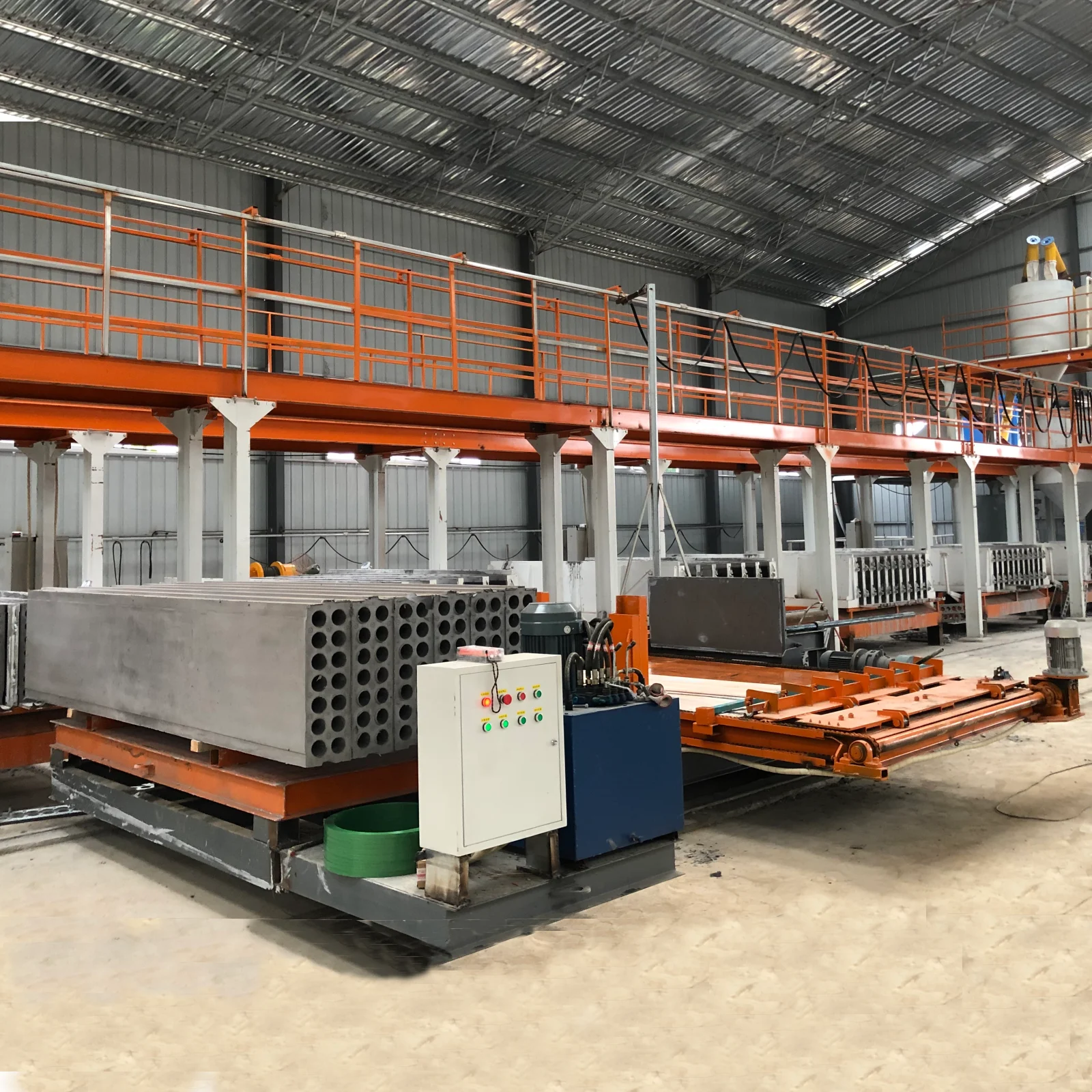
2.1 The EPS Wall Panel Production Line
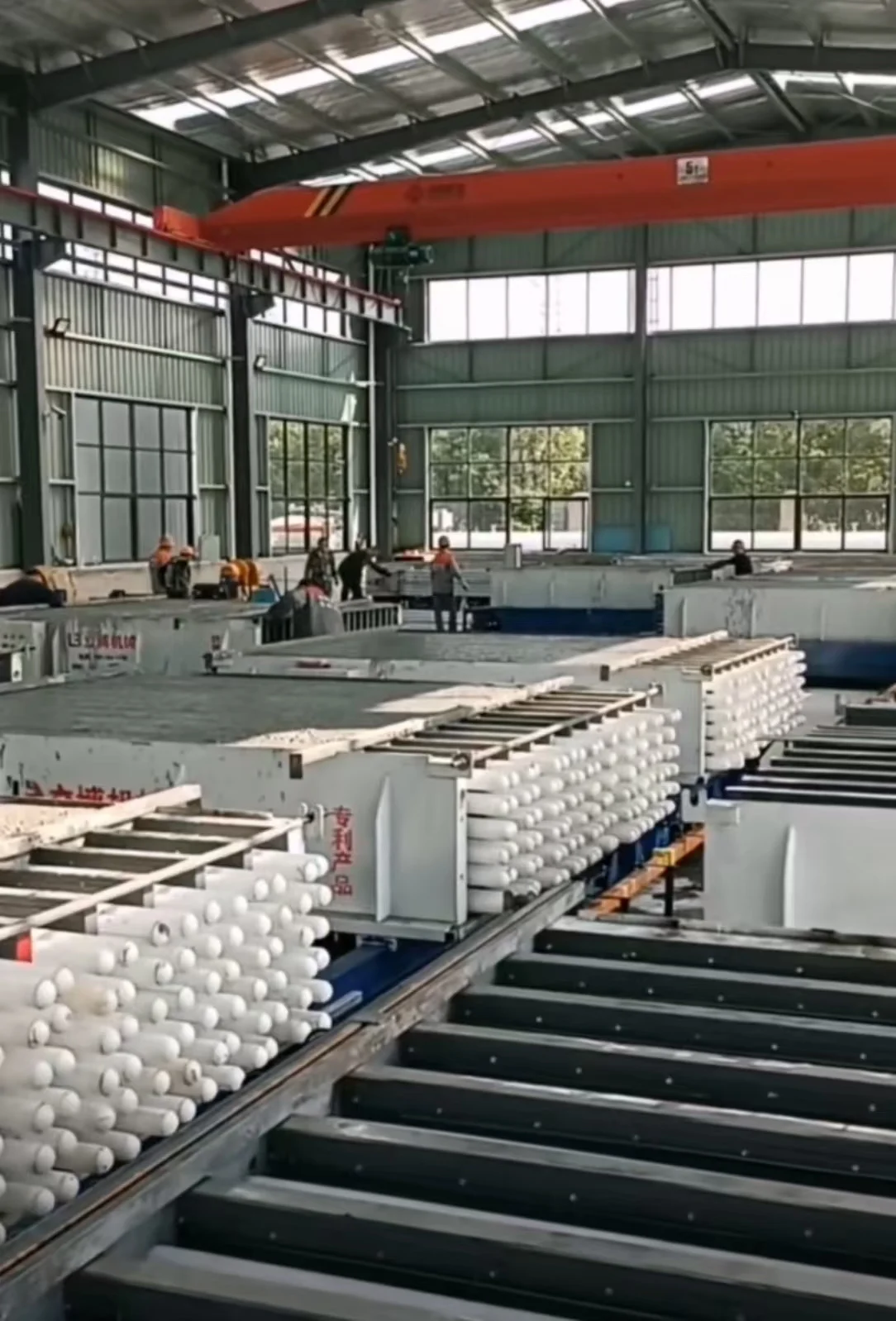
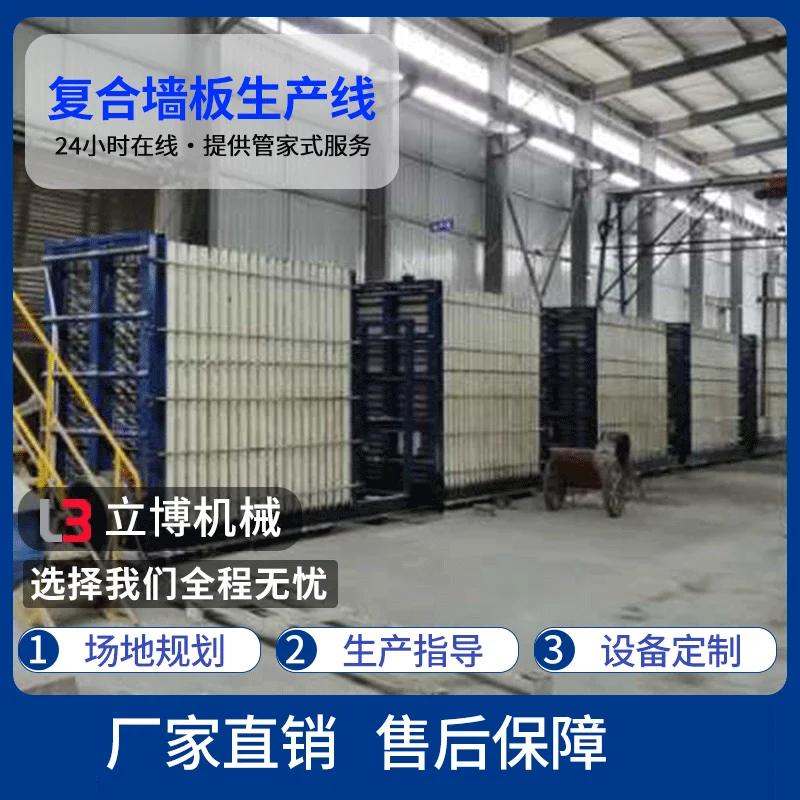
An EPS wall panel production line is a complete system that automates the entire process from raw materials to finished products. It includes systems for storage, feeding, weighing, mixing, molding, and stacking.
The core benefits of a full line are:
Higher Capacity: Suitable for large-scale, continuous industrial production.
Lower Labor Costs: Automatic controls reduce the need for manual labor and prevent human error.
Consistent Quality: Standardized processes ensure every panel meets the same high-quality specs.
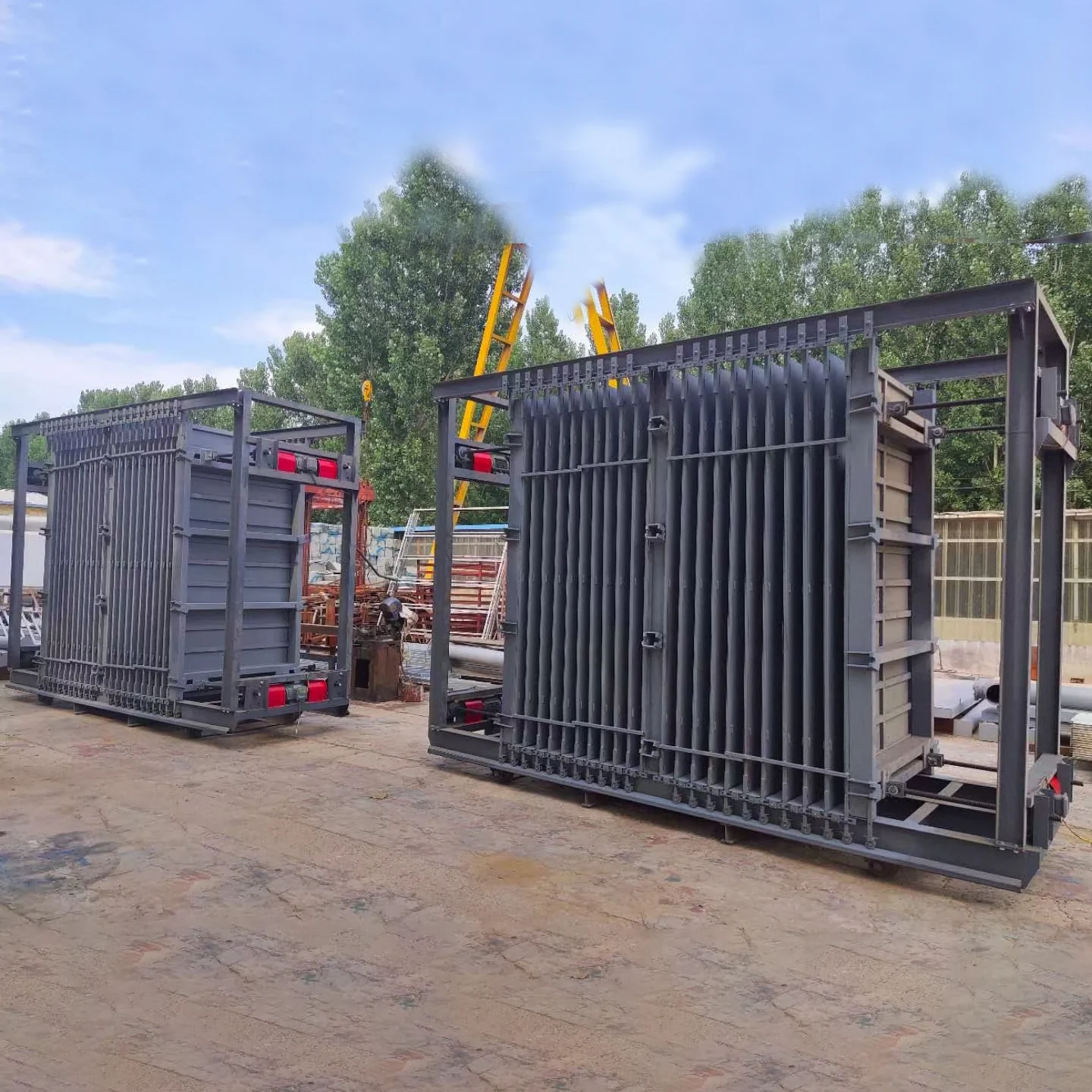
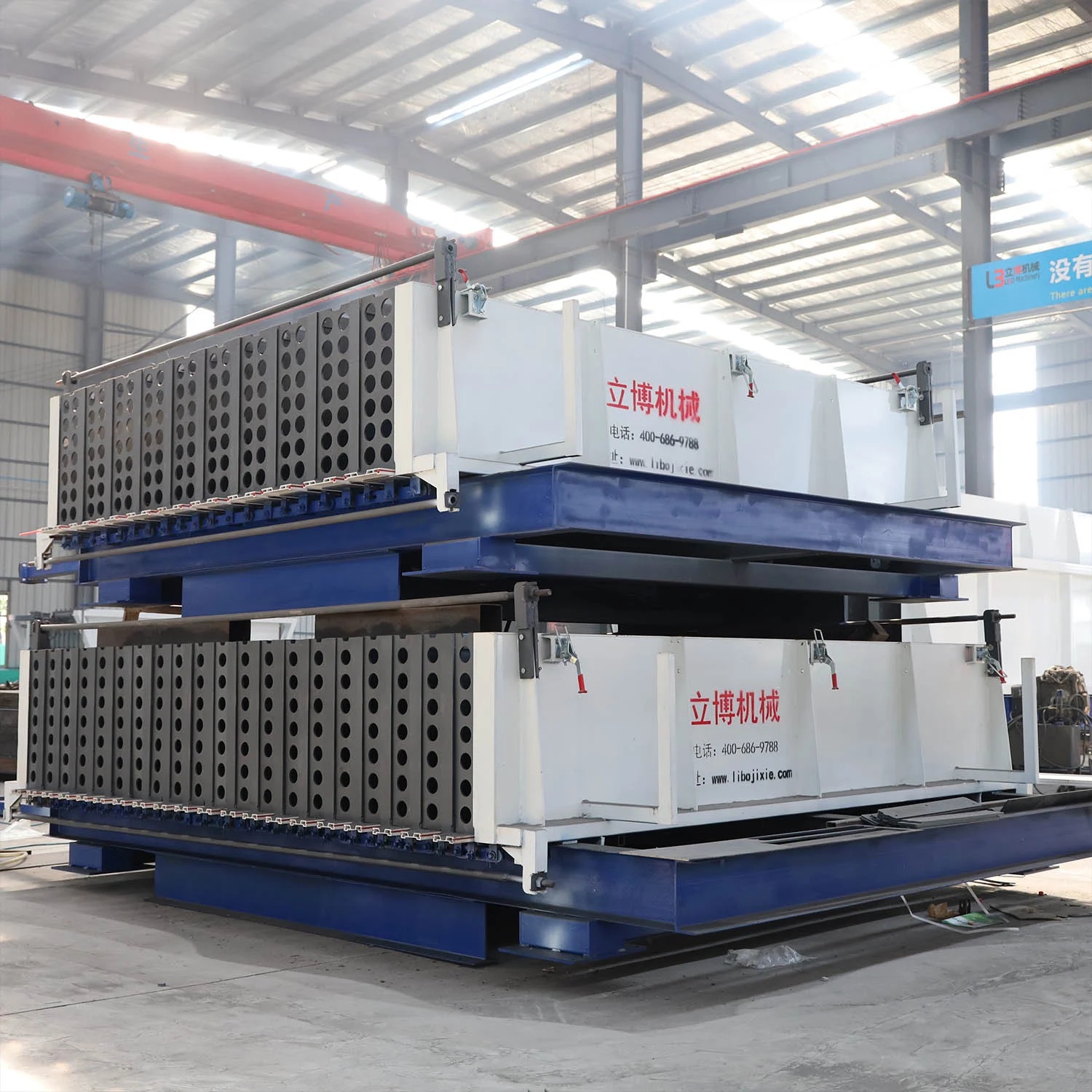
2.2 Analysis of Specialized Machines
Jinan Libo Machinery has developed specific machines for different product types:
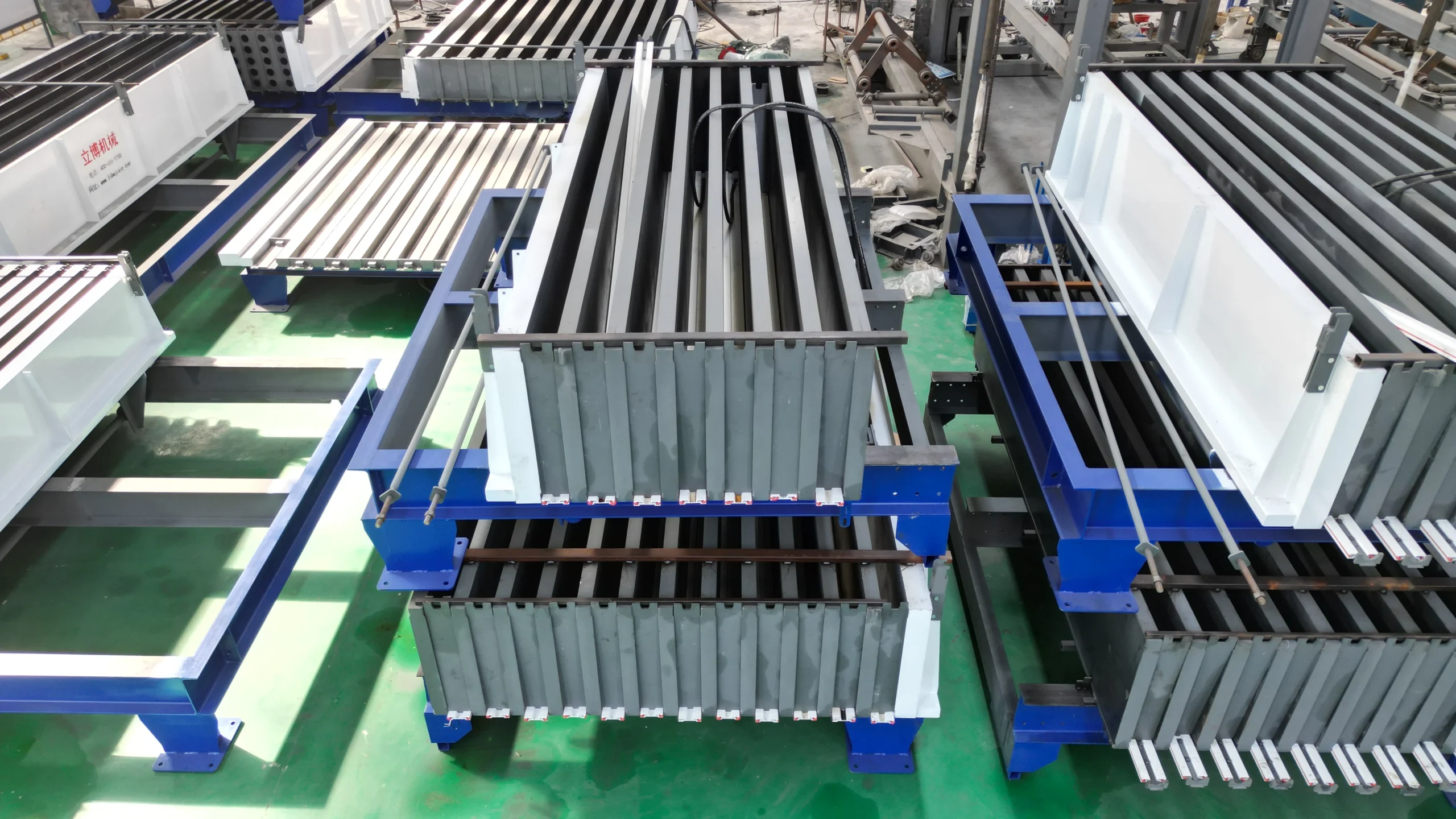
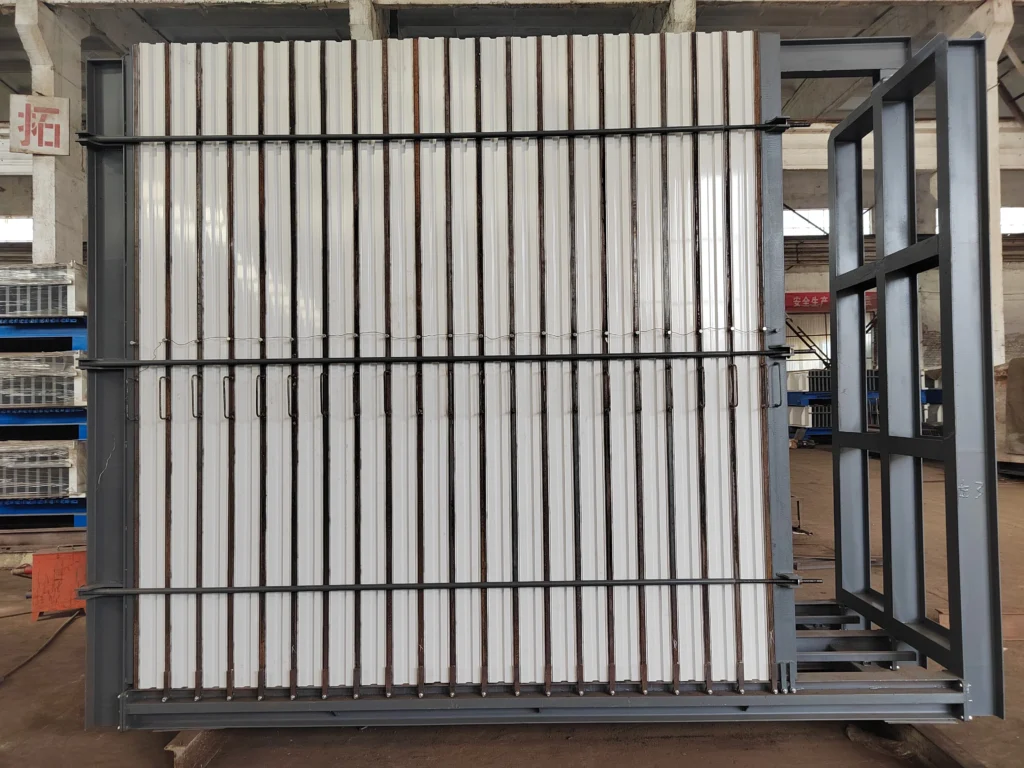
EPS Cement Wall Panel Machine
This equipment focuses on creating a homogeneous mix. Its design ensures that lightweight EPS granules do not float to the top but stay evenly dispersed within the cement. It is easy to operate and perfect for small to medium-sized factories focused on interior partition walls.
EPS Concrete Wall Panel Machine
This is a heavy-duty version designed to handle concrete and coarse aggregates. The technical challenge here is preventing heavy aggregates from sinking while EPS granules float. Libo Machinery uses optimized mixing sequences to solve this. These panels are strong enough for load-bearing needs in residential buildings.
EPS Composite Wall Panel Machine
This machine uses high pressure and specialized adhesives to bond face panels to the EPS core. The key technologies are laminating precision and pressing force. Our equipment features an accurate positioning system to ensure the boards fit perfectly without hollow spots.
2.3 Choosing Between a Single Machine or a Full Line
Product Focus: If you sell interior walls to local sites, a cement or concrete panel machine is the best start. If you target the high-end villa or cold storage market, choose composite wall panel equipment.
Scale Focus: Startups with limited budgets should begin with a single molding machine for a quick return on investment. Large-scale factories should choose a complete EPS wall panel production line to benefit from long-term cost savings and massive output.
3. Core Technology and Operation Points
3.1 General Production Process
Most production follows this logic:
Raw material preparation, Feeding and weighing, Mixing, Molding, Curing, Stacking.
The most important factors for success are the accuracy of the material ratio and the control of mixing time.
3.2 Process Differences
For cement and concrete panels, the difficulty is homogenization (keeping the mix even). For composite panels, the difficulty is the bonding strength between the layers. Libo’s equipment uses multi-point pressing and advanced positioning to ensure a firm bond every time.
3.3 Maintenance and Troubleshooting
Maintenance is straightforward. Most common issues, like uneven mixing, can be solved by checking the mixing blades. Jams during output usually mean the release agent was not applied evenly.
Daily maintenance should focus on cleaning and lubrication. Always clean residual slurry after work and check the hydraulic systems. Jinan Libo provides 24-hour after-sales guidance to keep your equipment running perfectly.
4. Industry Application and Market Prospect
4.1 Main Application Scenarios
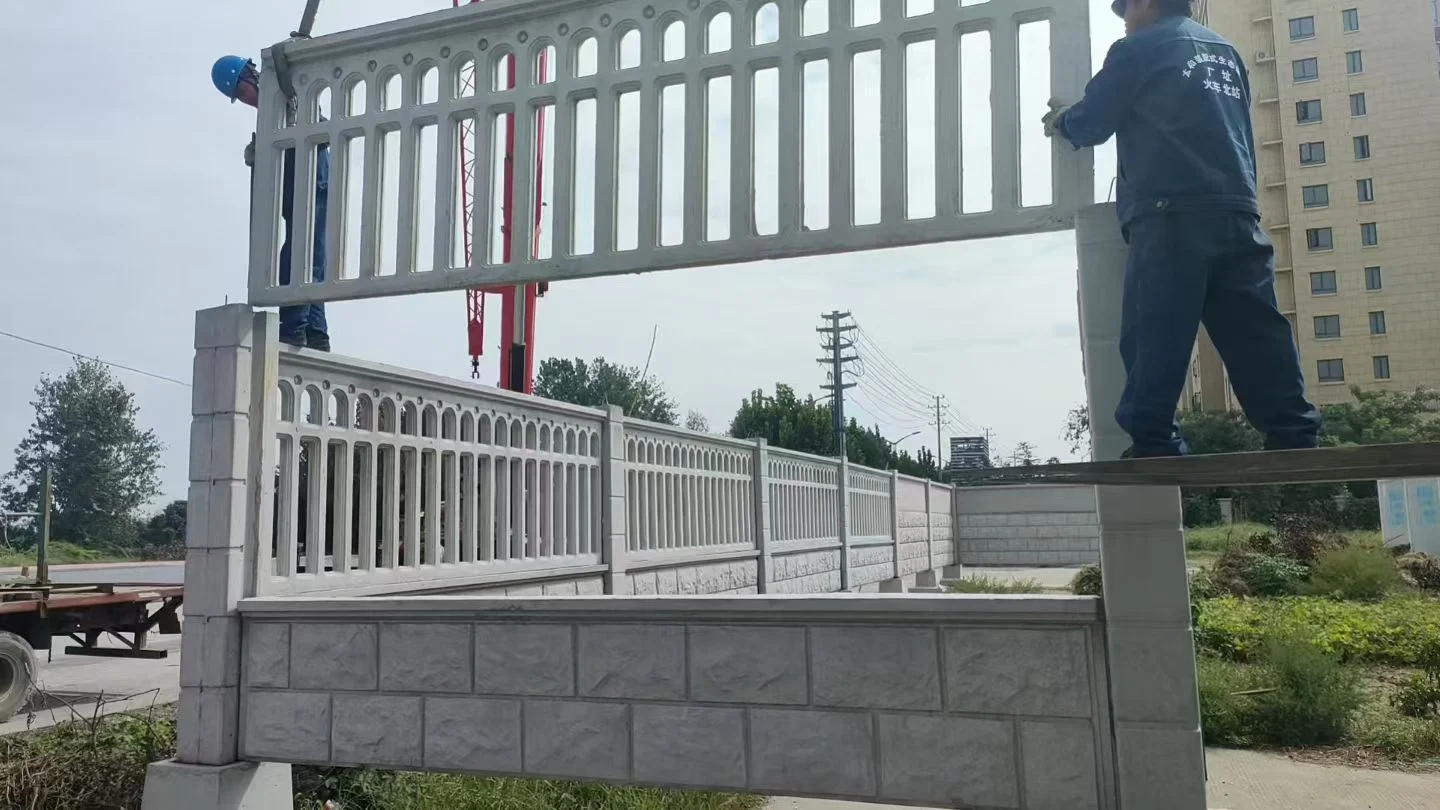
Residential & Commercial: Interior partitions and exterior insulation.
Special Projects: Light steel villas, mobile houses, prefabricated houses, and cold storage facilities.
4.2 Market Trends
The industry is moving toward automation and intelligence. Reducing labor dependence is now a requirement, not a luxury. Furthermore, specialized machines like the EPS concrete wall panel machine are in high demand to meet specific construction strength standards.
5. Purchase Guide: How to Choose Your Equipment
Jinan Libo Machinery suggests this three-step logic:
Clarify Your Needs: Decide if you want to produce solid cement panels or sandwich composite panels. Identify your target customers (e.g., local builders vs. high-end villa developers).
Select the Manufacturer: Look for established companies with mature technology. Don’t just look at the price; check the quality of the mixing host and the brand of the hydraulic system.
Avoid Pitfalls: Be careful of “false capacity” claims. Always ask for real-world case studies. Also, check the thickness of the steel plates on the equipment—thicker steel means a much longer service life.
6. Frequently Asked Questions
Q1: What are the main advantages of EPS wall panels?
A: They are incredibly light (about 1/3 the weight of brick) but very strong. They offer great insulation, and the installation speed is 4-5 times faster than traditional methods, which lowers the total project cost.
Q2: Should I start with a cement panel machine or a composite machine?
A: If you have a small budget and need to provide partition walls for local sites, start with the cement panel machine. If you want to enter the prefabricated building or light steel villa market, the composite machine offers higher profit margins.
Q3: Is the maintenance of a production line complicated?
A: No. It mainly involves daily cleaning and checking for loose bolts or worn parts. We provide detailed manuals and video training. Plus, our after-sales team is available 24/7 for video support.
Conclusion
As building standards become stricter in 2026, EPS wall boards are becoming a standard requirement for green construction. For manufacturers, choosing an efficient EPS wall panel production line is the key to capturing the market.
Jinan Libo Machinery provides customized solutions for every budget and market need. Whether you need a cost-effective single machine or a high-end automated line, we are here to help you succeed. Contact us today to visit our factory and see the equipment in action!