





Introduction
As the construction industry shifts toward sustainable and efficient methods, lightweight solid composite wall panels have emerged as a game-changer. In many regions, traditional red bricks are being phased out due to high energy consumption and environmental pollution. Today, “green” building materials are the new standard.
These prefabricated panels are now the go-to choice for partition walls in residential buildings, hotels, factories, and renovation projects. They offer a winning combination of fast installation, high performance, and cost-effectiveness.
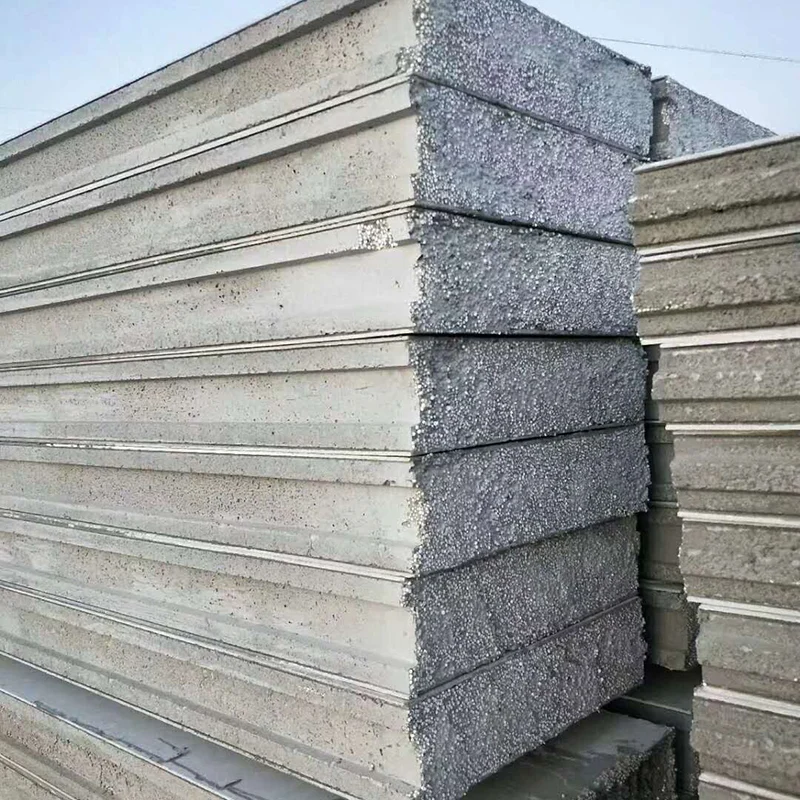
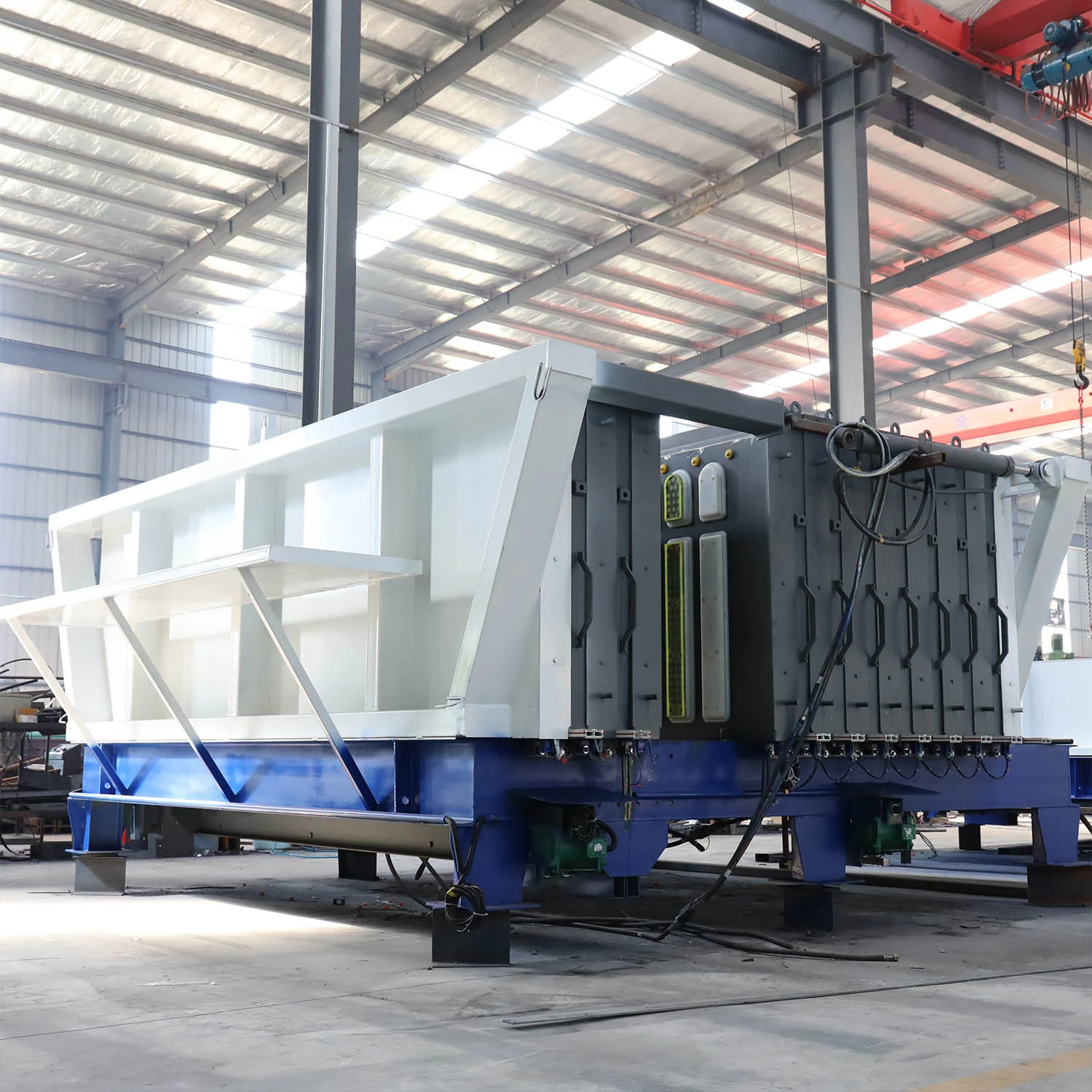
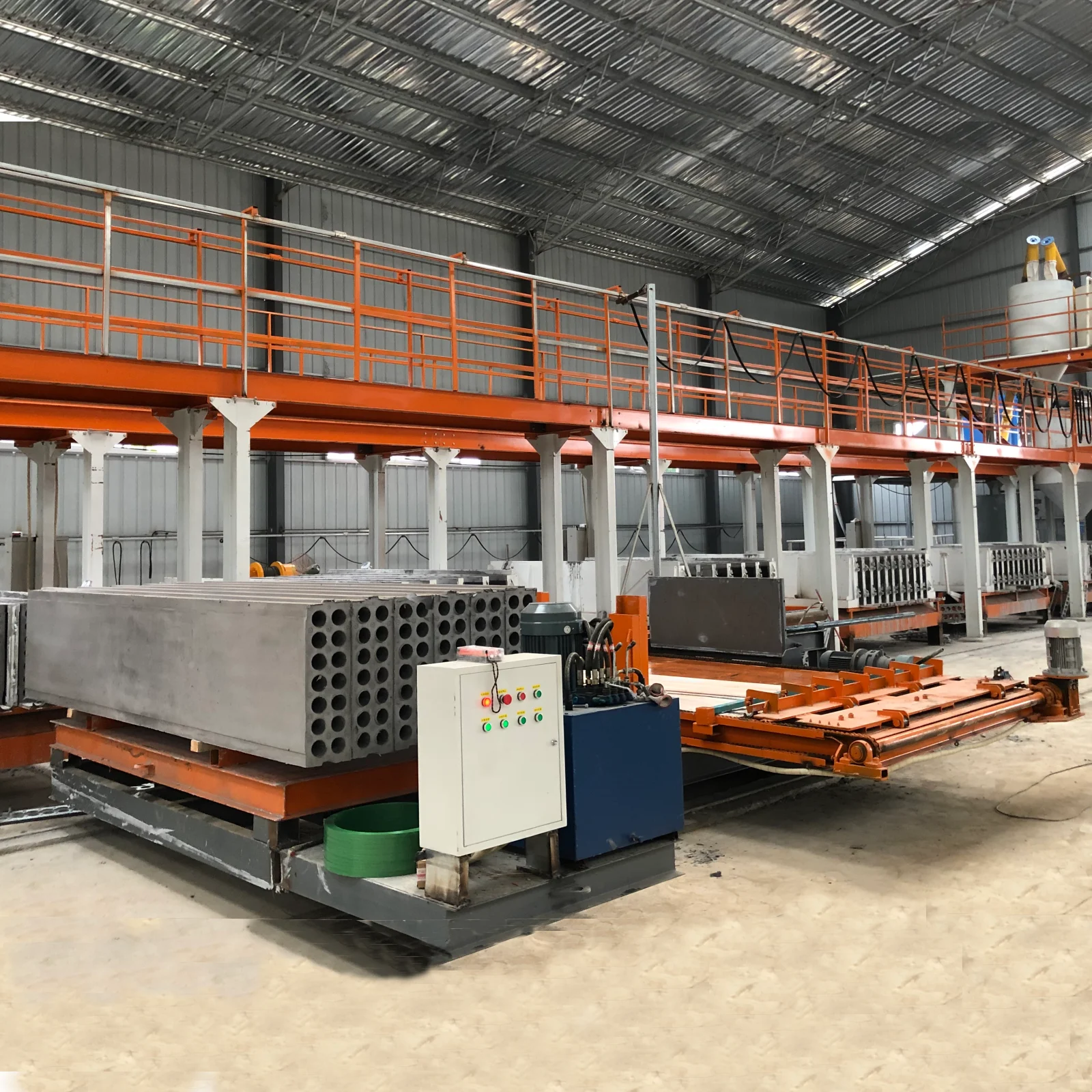
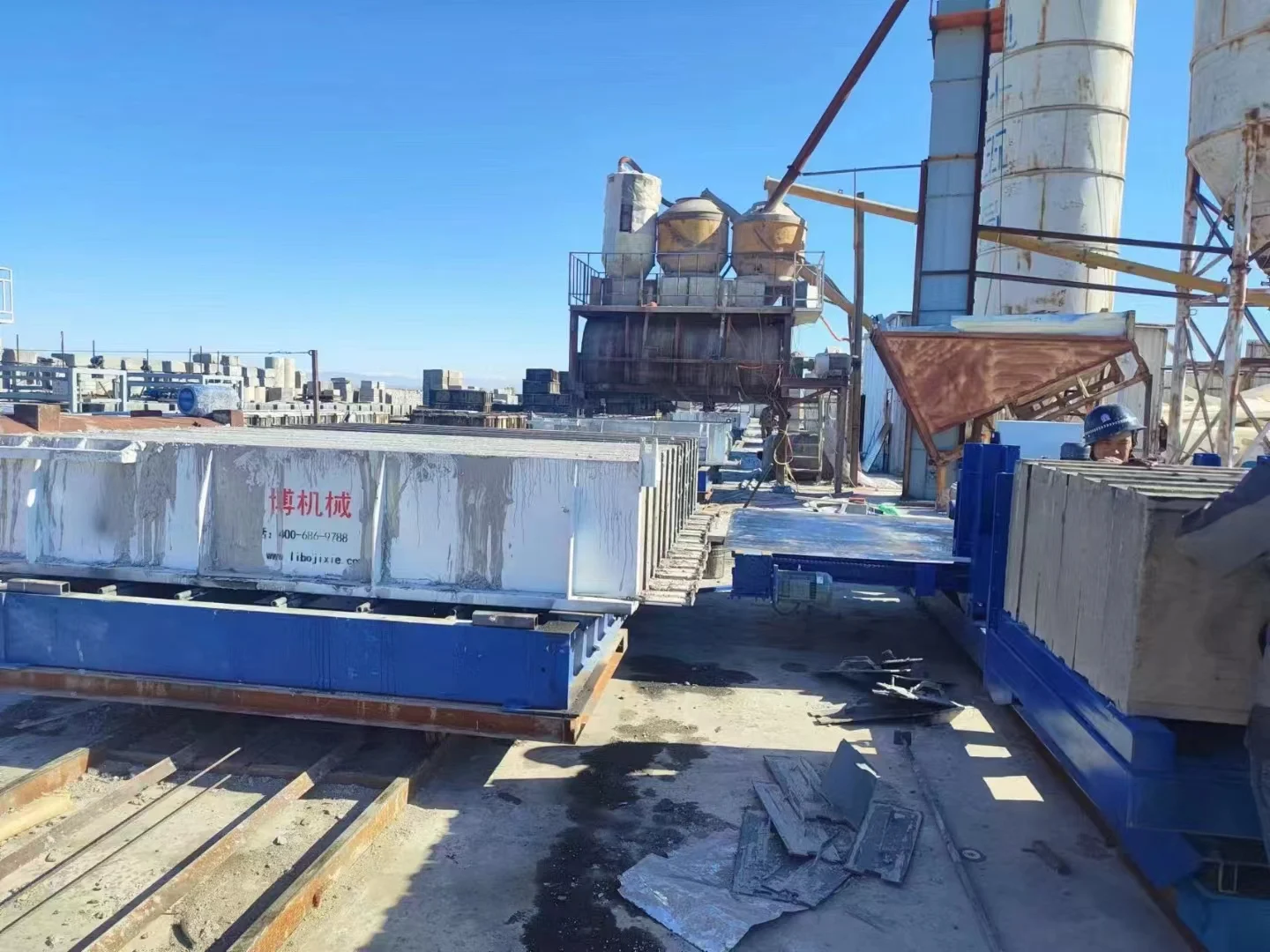
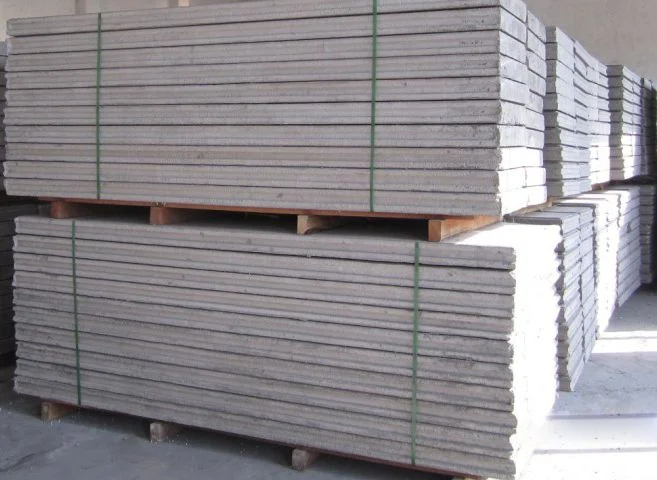
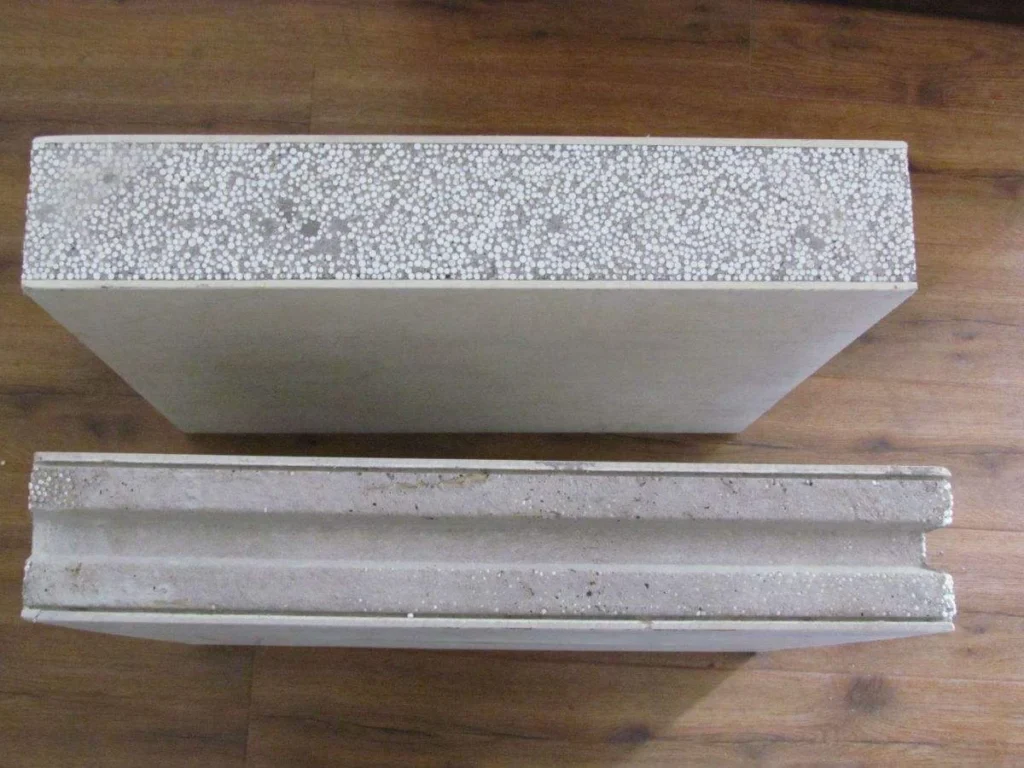
Typically, these panels feature a calcium silicate board on both sides with a solid core made of cement and polystyrene particles (EPS) or ceramsite. Companies like Jinan Libo Machinery Equipment Co., Ltd. are at the forefront of this shift, providing advanced machinery to produce these high-quality, eco-friendly wall materials.
5 Core Performance Advantages of Lightweight Solid Composite Wall Panels
1. Superior Fire Resistance (Class A Standard)
Safety is the most critical factor in any building. These composite panels are made from inorganic materials that do not burn. They meet the strict Class A non-combustible standard, which is the highest safety rating available.
Based on professional testing, the fire resistance duration varies by thickness:
75mm thick: Resists fire for up to 145 minutes.
90mm thick: Resists fire for over 3 hours.
100mm thick: Resists fire for nearly 4 hours.
Even under extreme heat, these panels do not melt or release toxic smoke. This makes them much safer than traditional brick or wooden partitions, especially for high-rise buildings, schools, and hospitals.
2. Excellent Sound Insulation for Quiet Spaces
Noise reduction is essential for comfort in hotels, offices, and homes. Unlike hollow blocks or thin bricks, the solid core of these composite panels absorbs sound effectively.
40mm thick: sound insulation up to 32 dB
75mm thick: about 42 dB
90mm thick: up to 45 dB
100mm thick: up to 48 dB
In comparison, a traditional 240mm thick brick wall often only provides 20–25 dB of insulation. Switching to lightweight solid panels ensures a much quieter indoor environment.
3. High Load-Bearing Capacity
A common concern with “lightweight” materials is whether they can hold heavy objects. Because these panels are solid, they have incredible structural strength.
A single-point hanging load can easily exceed 50kg, and high-strength versions can support over 100kg. This means you can securely install:
Air conditioning units
Large flat-screen TVs
Kitchen cabinets
Heavy water heaters
The panels won’t crack or loosen over time, providing a reliable surface for all your interior decoration needs.
4. Waterproof and Moisture-Proof
Many traditional walls suffer from mold, peeling paint, or dampness in humid environments. Lightweight solid composite panels are designed with high-density surfaces and waterproof-treated cores.
Even after long-term exposure to water, these panels do not leak or lose their shape. This makes them perfect for “wet” areas like:
Bathrooms and kitchens
Basements
Storage rooms
Industrial facilities
By preventing mold and rot, these panels lower long-term maintenance costs and improve indoor air quality.
5. Lightweight Design to Reduce Building Stress
A lightweight solid composite wall panel weighs only about 45–95kg per square meter. This is roughly 1/3 to 1/5 the weight of a traditional brick wall.
Why does this matter?
Lower Foundation Costs: Since the building is lighter, you need less steel and concrete for the foundation and beams.
Better Seismic Safety: Lighter buildings perform better during earthquakes because they have less mass to move.
Easier Renovations: They are ideal for adding walls to old buildings where the floor load capacity might be limited.
Economic Benefits and Construction Efficiency
Increase Your Usable Floor Area
Traditional brick walls are usually 240mm thick. Lightweight composite panels provide the same or better strength at a thickness of only 60mm to 150mm.
By using thinner walls, you gain more indoor space. For a standard 100㎡ apartment, using 90mm panels can add 8 to 13㎡ of extra usable space. In real estate terms, this significantly increases the value of the property.
3x to 5x Faster Installation
The “dry construction” method is a major advantage. These panels use a tongue-and-groove system that snaps together.
No Wet Work: You don’t need large amounts of wet cement or mortar.
No Plastering: The surface is already smooth. Once the gaps are sealed, you can paint or apply wallpaper immediately.
Speed: One worker can install significantly more wall area per day compared to traditional bricklaying, reducing labor costs by a huge margin.
Lower Overall Project Costs
While the price per panel might seem higher than a single brick, the total project cost is usually 15% to 20% lower. You save money because:
You don’t need to pay for double-sided plastering.
Construction is finished weeks or months earlier.
Maintenance costs (fixing cracks or mold) are reduced by over 70%.
Common Specifications and Applications
Size Options
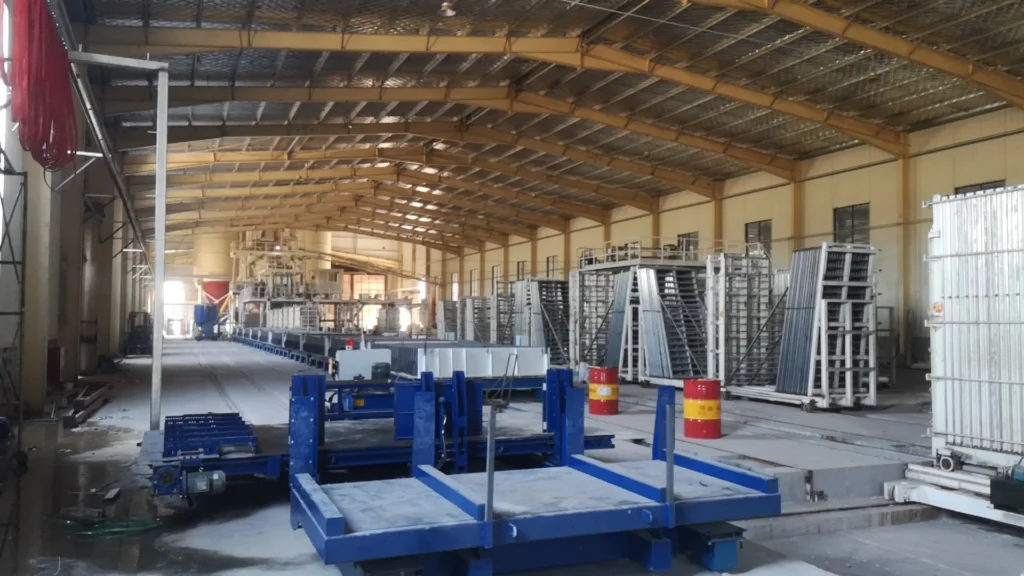
Jinan Libo Machinery produces equipment that can create a wide range of panel sizes to fit any project:
Thickness: 60mm, 75mm, 90mm, 100mm, 120mm, 150mm.
Length: Standard 2440mm or 3000mm (up to 4000mm).
Width: Standard 610mm.
Where to Use Them
Hotels & Offices: For fast room separation and soundproofing.
Factories: For durable, fire-resistant enclosure walls.
Old Communities: For interior wall updates without adding heavy weight.
Prefab Houses: For quick-build residential projects.
Real-World Success: Hotel Case Study in Shandong
To see these benefits in action, look at a recent 12-story hotel project in Jinan, Shandong.
The Challenge: The developer needed to divide 18,000㎡ of space quickly while ensuring high sound insulation for guests.
The Solution: They used 90mm lightweight solid composite panels produced by Libo Machinery.
The Results:
Time Savings: Traditional bricks would have taken 120 workers 75 days. The panels took only 45 workers 28 days. The hotel opened over a month early.
Space Gains: The hotel gained nearly 1,000㎡ of extra usable space due to thinner walls.
Performance: Sound insulation improved to 45dB, and after three years of use, there are zero reports of wall cracks or moisture damage.
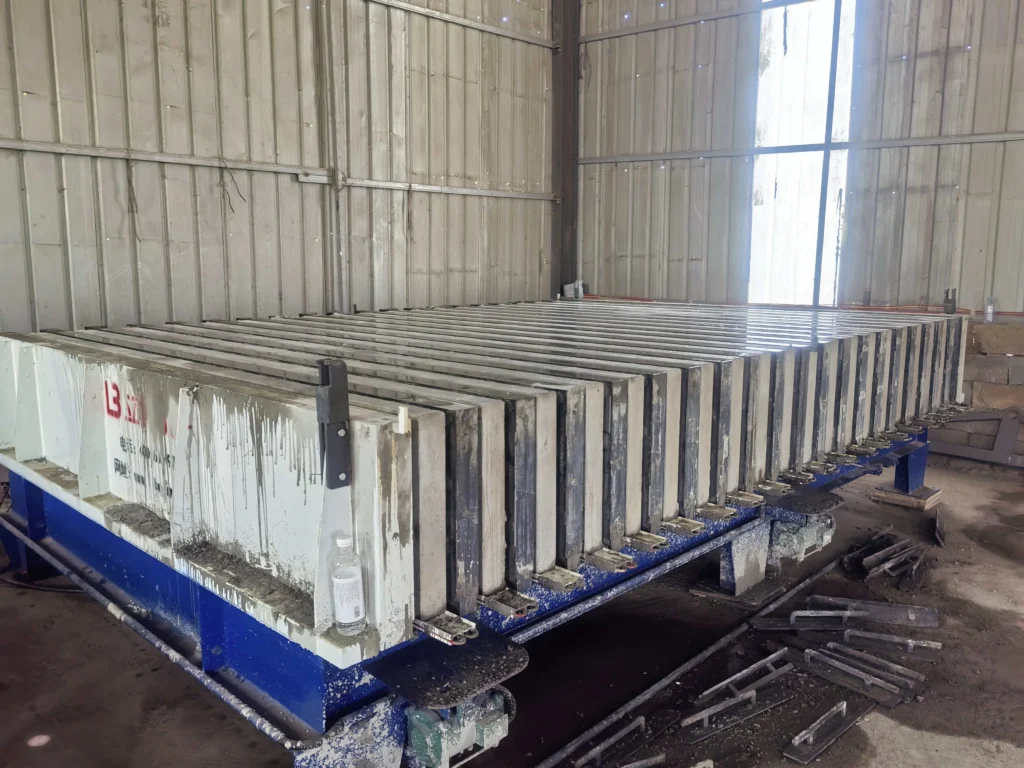
Why Partner with Jinan Libo Machinery?
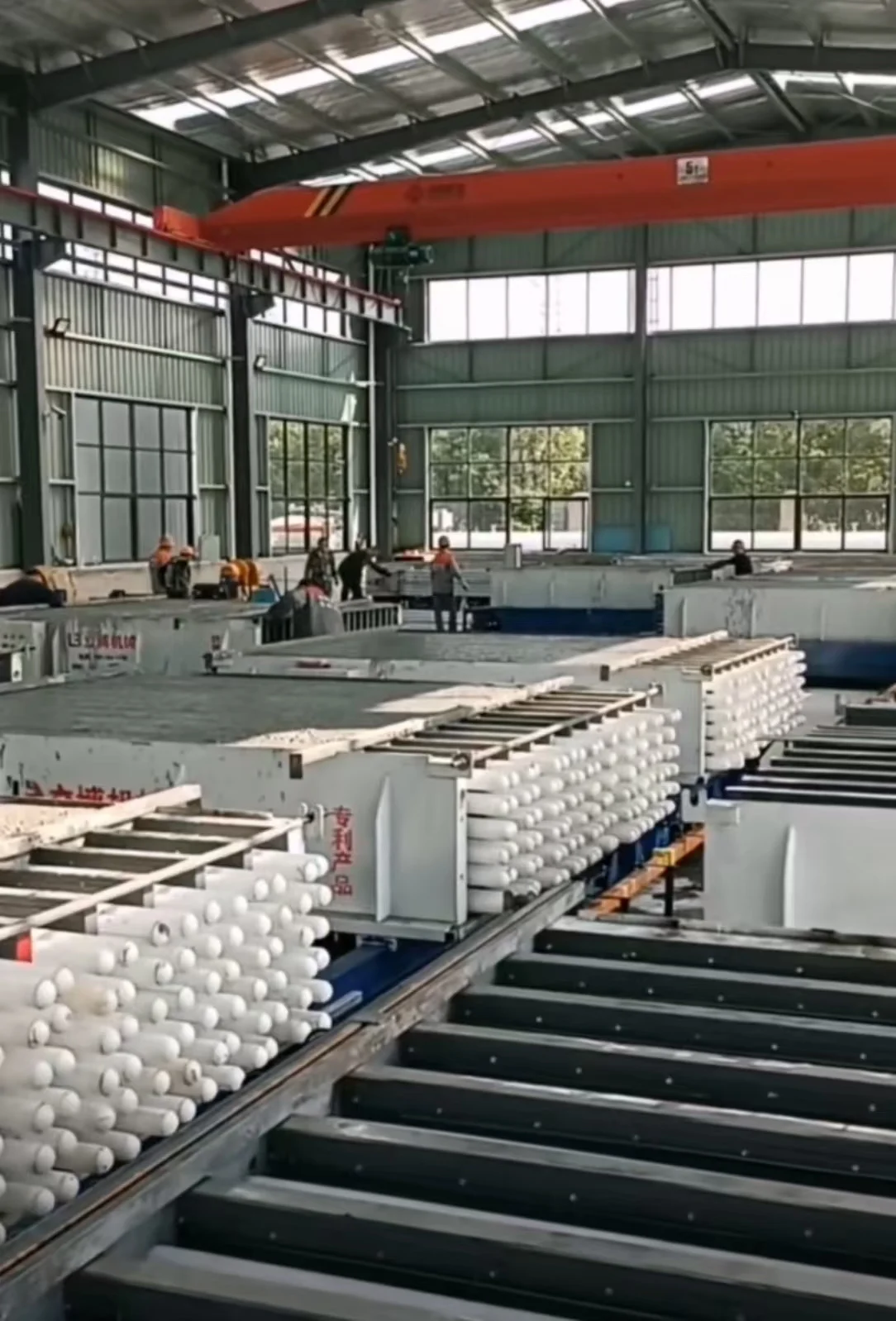
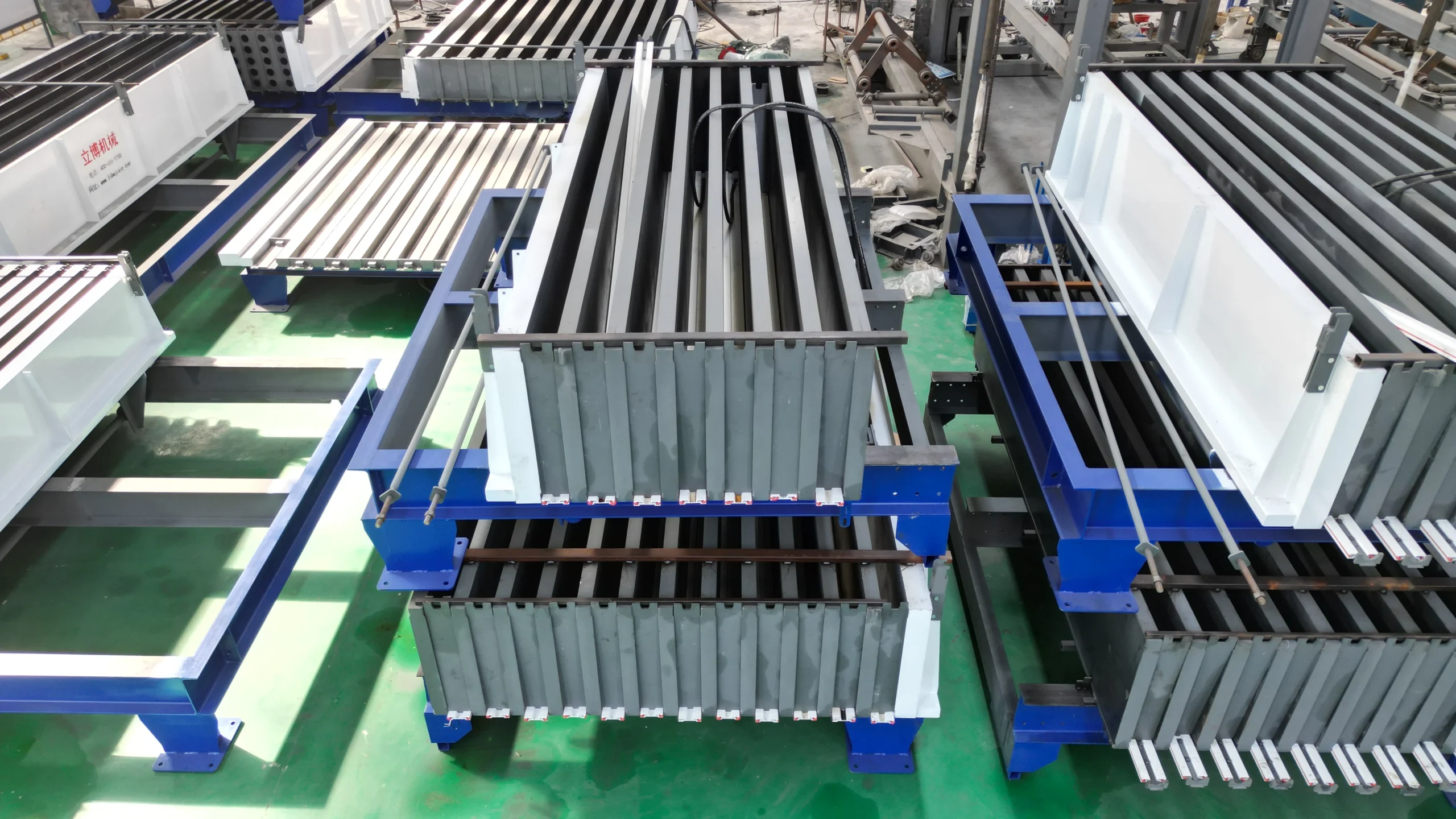
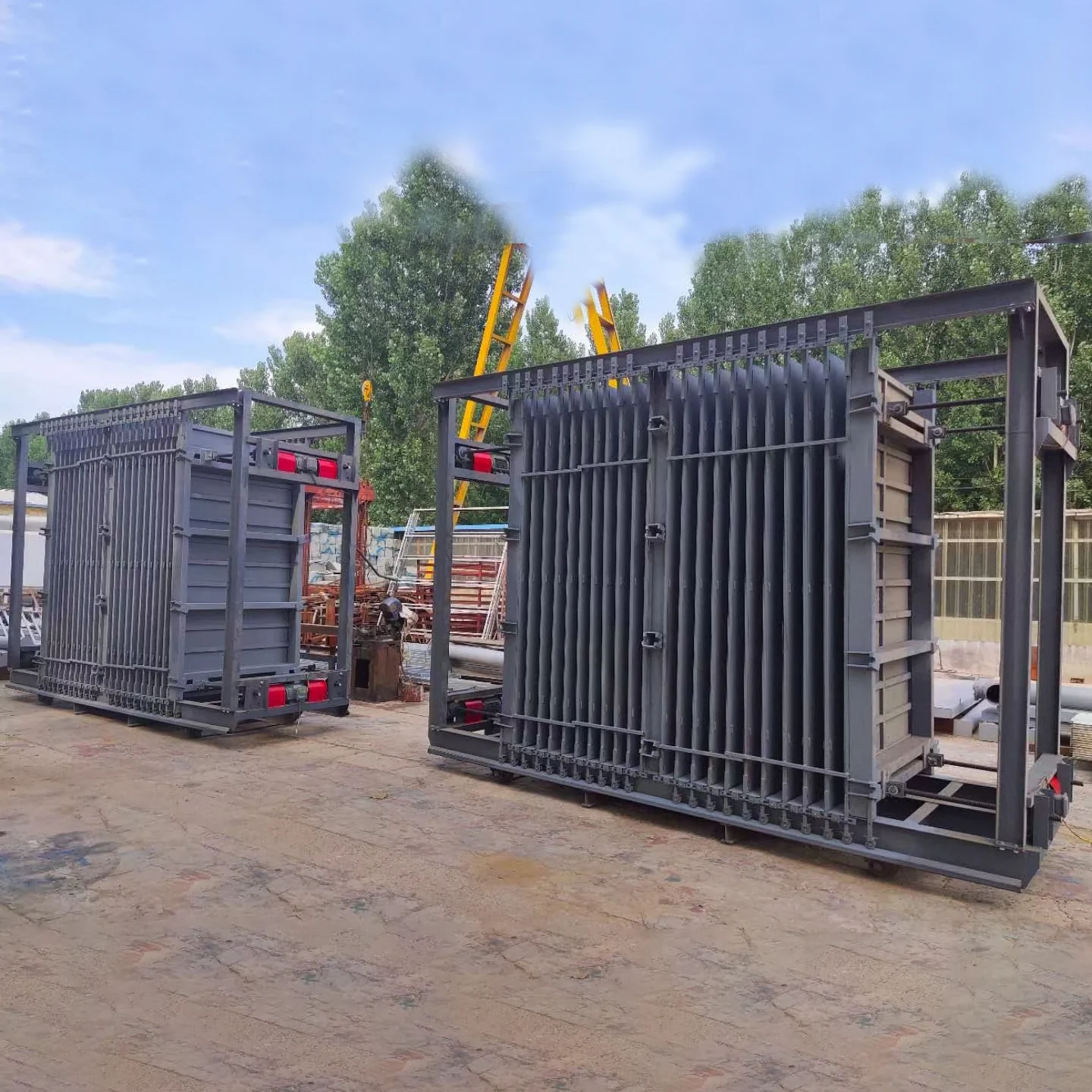
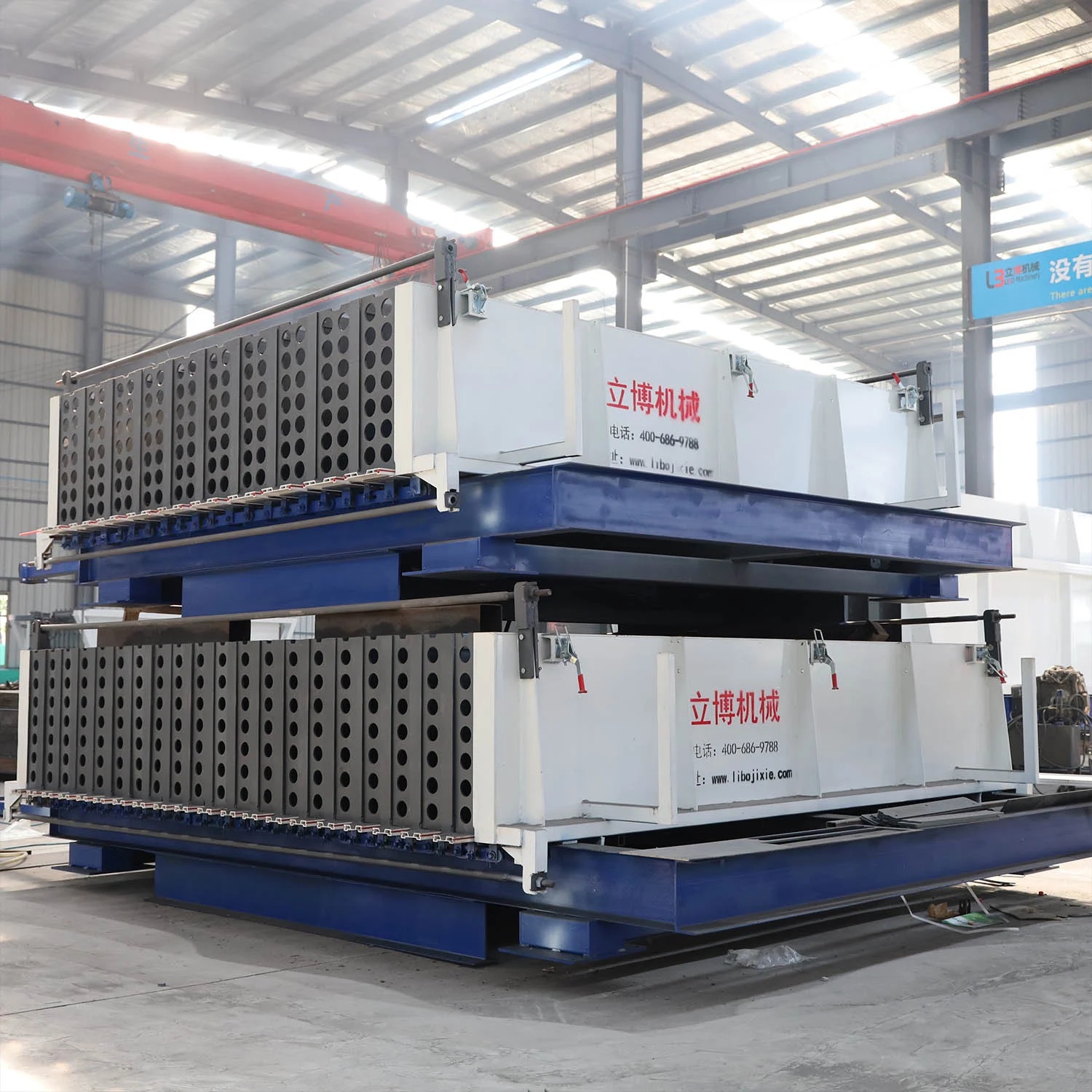
Choosing the right material starts with choosing the right equipment. Jinan Libo Machinery Equipment Co., Ltd. is a leader in the R&D and production of wall panel machines.
What we offer:
High Automation: Our machines are easy to operate and produce high-output, consistent panels.
Full Support: We provide equipment customization, installation, technical training, and even raw material formulas.
Proven Quality: Our products are used across China and exported globally, backed by years of engineering expertise.
As the demand for prefabricated, green buildings grows, lightweight solid composite wall panels are the smartest investment for developers and contractors.
Ready to upgrade your construction process?
Contact Jinan Libo Machinery today for a technical consultation. We offer free consultations, detailed cost budgets, and site visits to see our equipment in action. Let’s build a faster, greener, and more profitable future together.