





Introduction
The construction industry is changing fast. Today, green building and industrialization are the top priorities. Because of this, the demand for new, eco-friendly wall materials is higher than ever. Lightweight wall panels are quickly replacing old-fashioned bricks. They are lighter, stronger, fire-resistant, and much faster to install.
Jinan Libo Machinery has been a leader in this industry for nearly 20 years. We specialize in high-quality lightweight wall panel production lines. Our machinery is the modern upgrade to traditional brick-making machines. It allows you to produce high-end wall panels that outperform clay bricks, cement bricks, and interlocking bricks in every category.
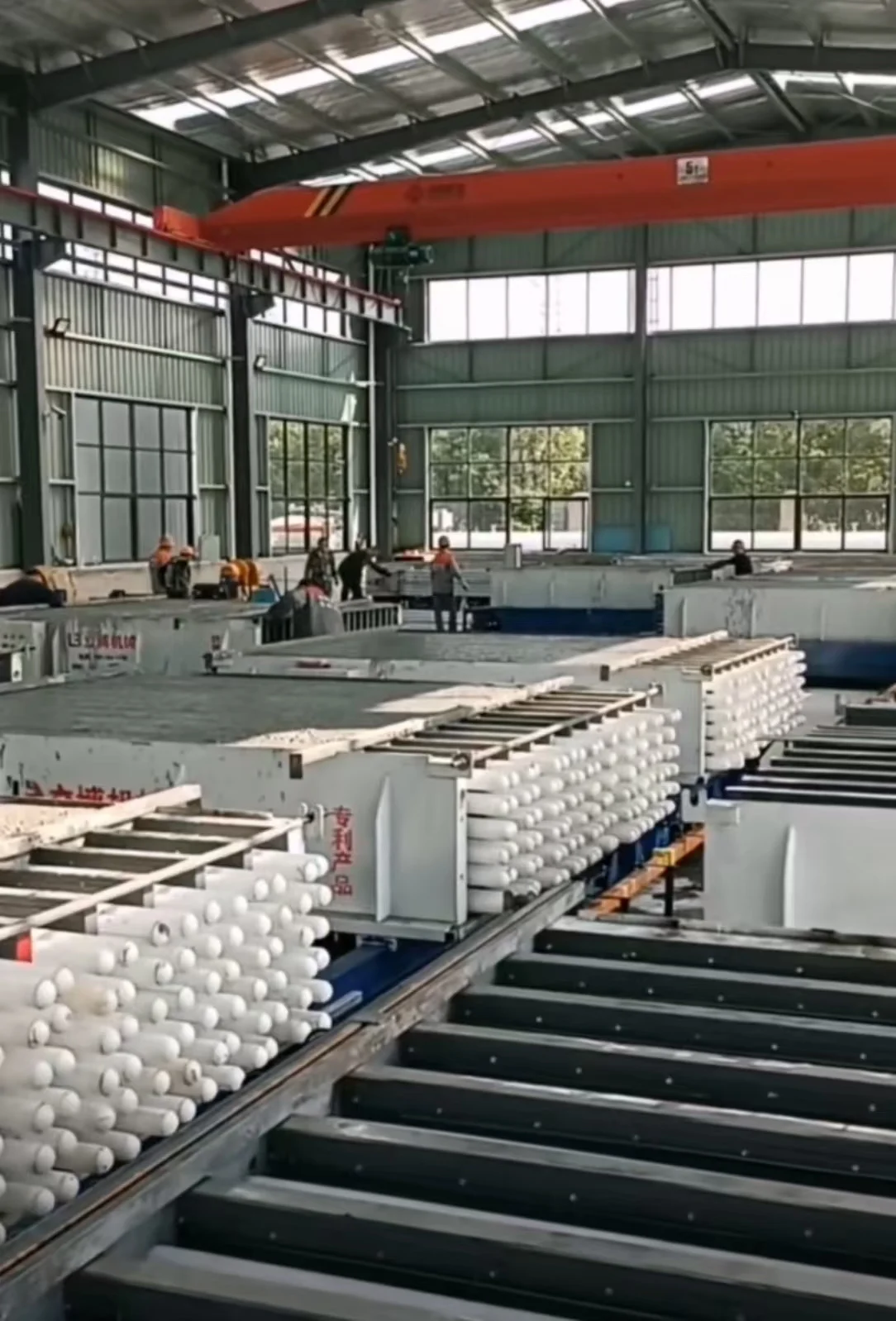
Our production line uses eight core systems to ensure the process is fully automatic, stable, and easy to run. This article explores how our machinery works and why it is the best choice for modern construction.
1. What is a Lightweight Wall Panel Production Line?
1.1 The Basics
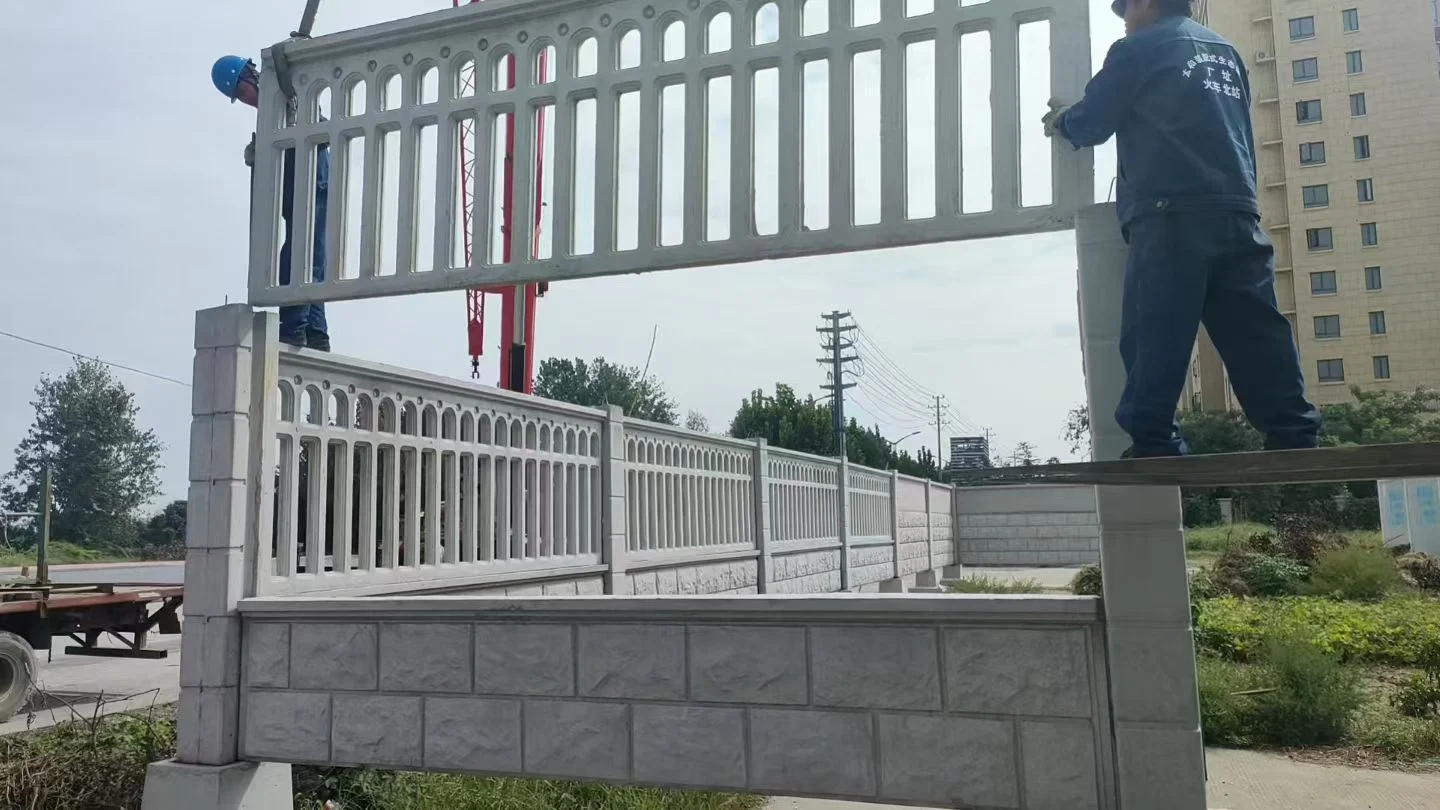
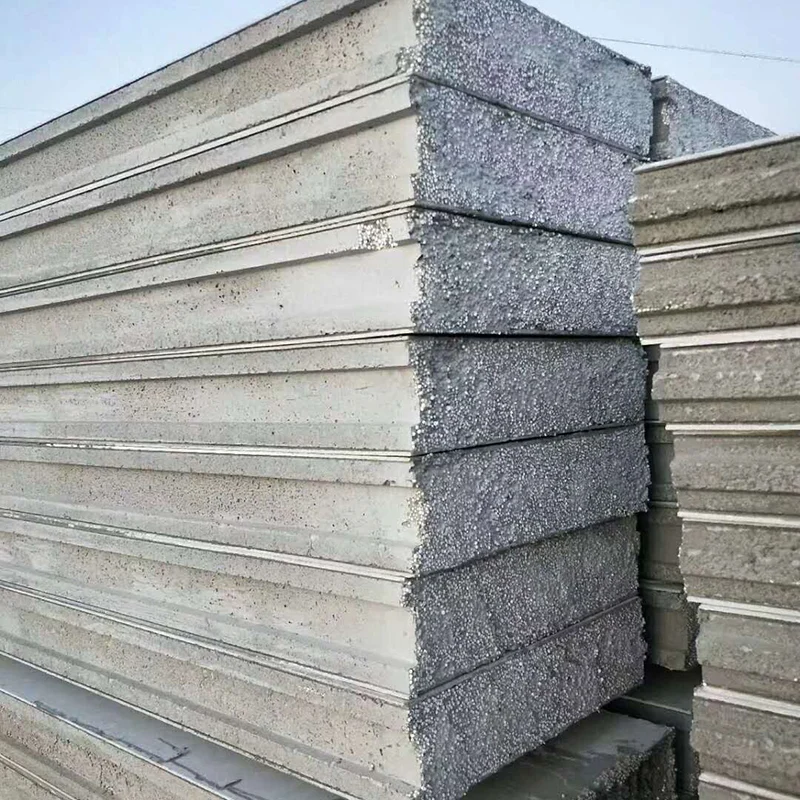
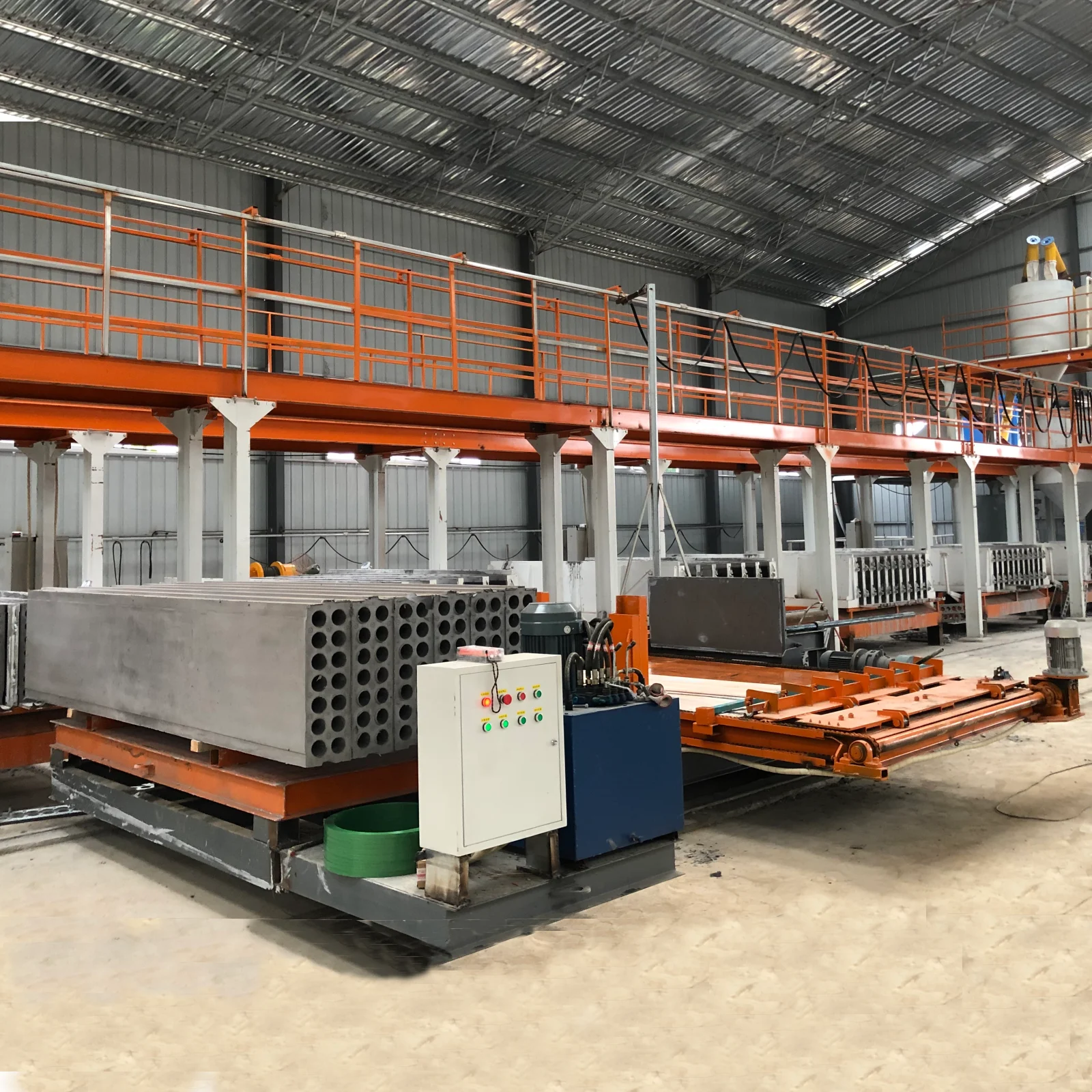
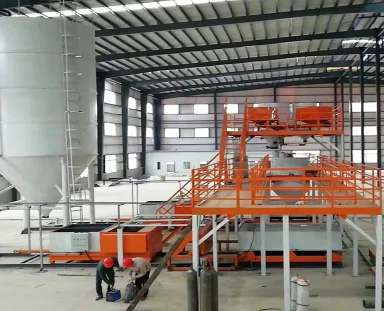
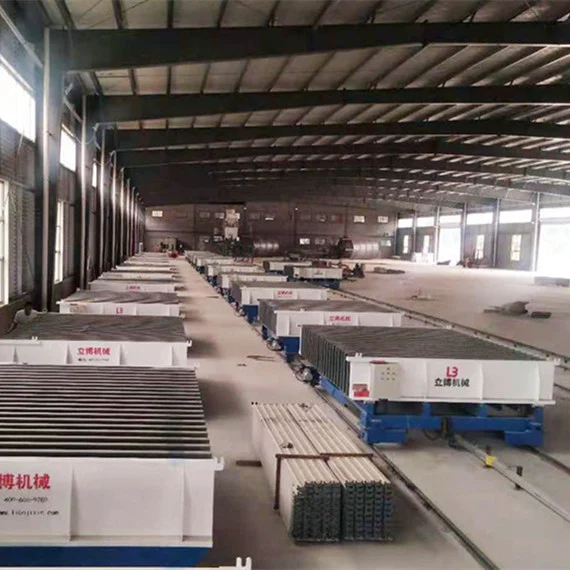
A lightweight wall panel production line is a complete set of automated machines used to create large-scale partition wall panels. Instead of making small bricks one by one, this line produces large, ready-to-use panels from raw materials like cement, gypsum, and fly ash.
Main Goal: To turn raw materials into standard wall panels with minimal manual labor.
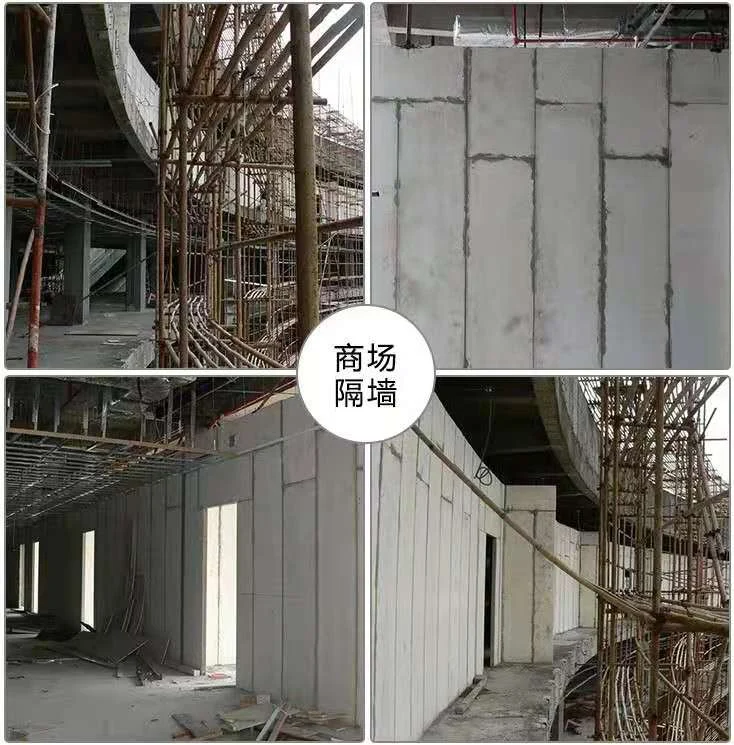
Where it’s used: High-rise apartments, office buildings, hotels, hospitals, and industrial warehouses.
The Result: A building material that is 50% lighter than traditional bricks but offers better fire protection and sound insulation.
1.2 Why Choose Jinan Libo Machinery?
Founded in 2007, Jinan Libo is a high-tech enterprise with three production bases covering 50,000 square meters. Our equipment is used in over 20 countries, including South Africa, Indonesia, and the Philippines.
Key Performance Data:
Labor Efficiency: Reduces staff from 15 people down to just 5.
High Output: A single line with a single machine can produce 50–100 ㎡, annual output 20,000–3,5000 ㎡.
Eco-Friendly: Dust emissions are kept below 10mg/m³, waste recycling rate 95%, meeting strict green energy standards.
Proven Success: We have served over 10,000 customers with an 83.6% repeat-order rate.
2. The Eight Core Systems of the Production Line
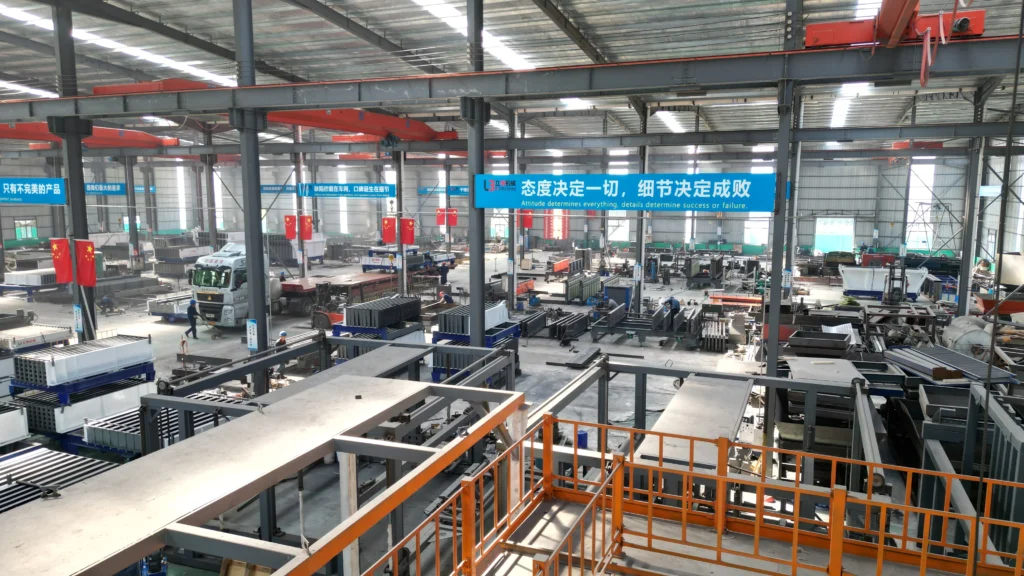
The high efficiency and stability of the Jinan Libo lightweight wall panel production line rely on eight specialized systems. These systems work together in a modular design to create a fully automatic process from raw materials to finished products.
2.1 Storage System
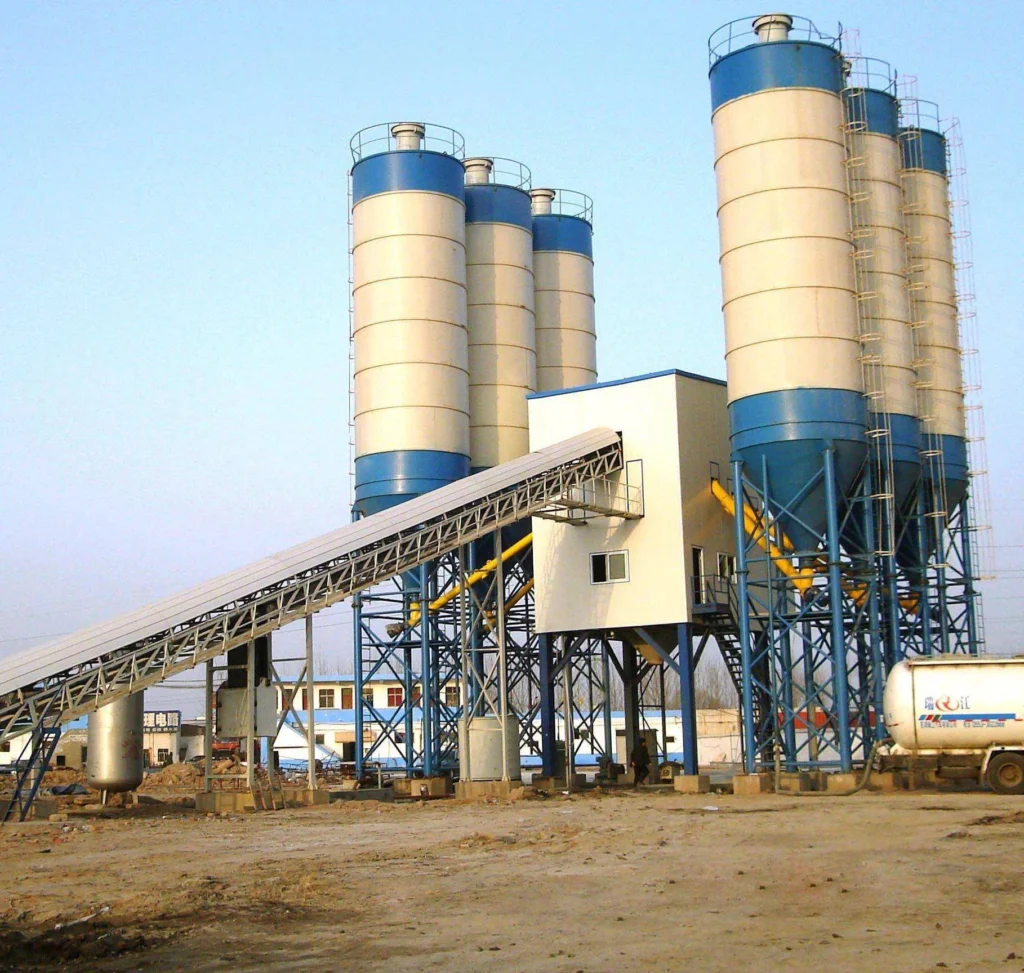
Think of this as the “raw material warehouse.” It is designed to store powder materials like cement, gypsum, and fly ash. The system is fully sealed to keep moisture and dust out, ensuring your raw materials stay dry and clean for the best production results.
2.2 Feeding System
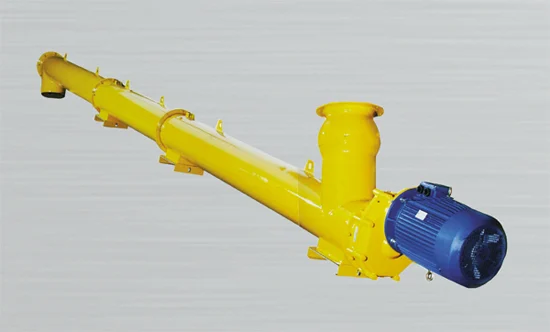
The feeding system uses a high-performance screw conveyor to move materials. It connects the storage silos to the weighing area. Because it is a closed system, there is no manual lifting and no dust leakage, making your factory floor much cleaner and safer for workers.
2.3 Weighing System
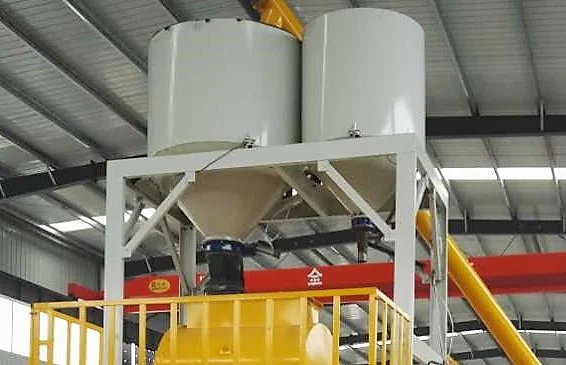
This is the “quality control heart” of the line. Using high-precision electronic sensors, it measures the exact amount of powder, water, and additives needed for each batch. With an accuracy error of less than ±0.1%, it ensures every wall panel has the perfect strength and density.
2.4 Mixing System
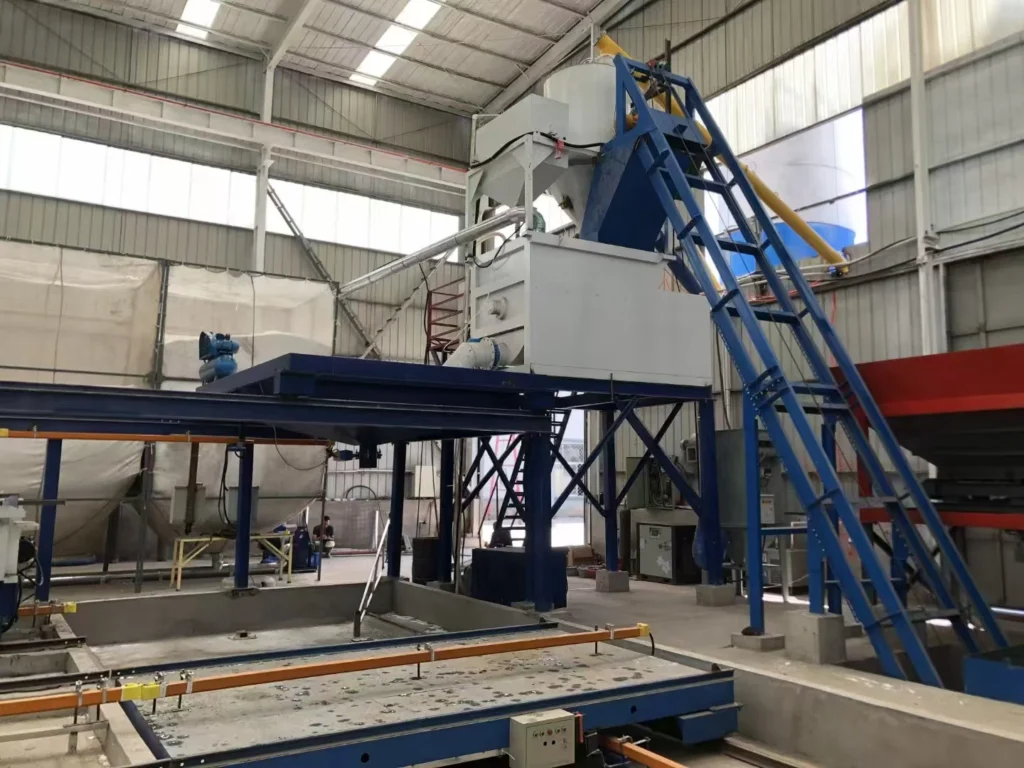
Our mixing system features a powerful double-shaft mixer. It blends the weighed materials and water into a smooth, uniform slurry. The mixing consistency reaches over 98%, which prevents lumps and ensures that the finished wall panels have a smooth, professional finish.
2.5 Distributing System
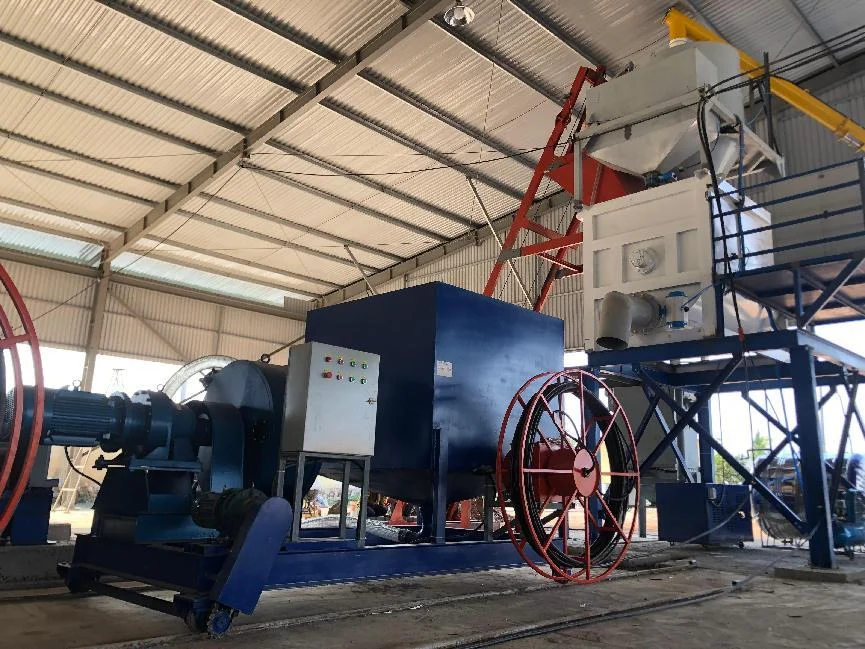
This system uses a specialized machine to pour the mixed slurry into the molds. It moves at a constant speed to ensure the slurry fills every corner of the mold evenly. This creates a flat surface and prevents gaps or weak spots in the wall panels.
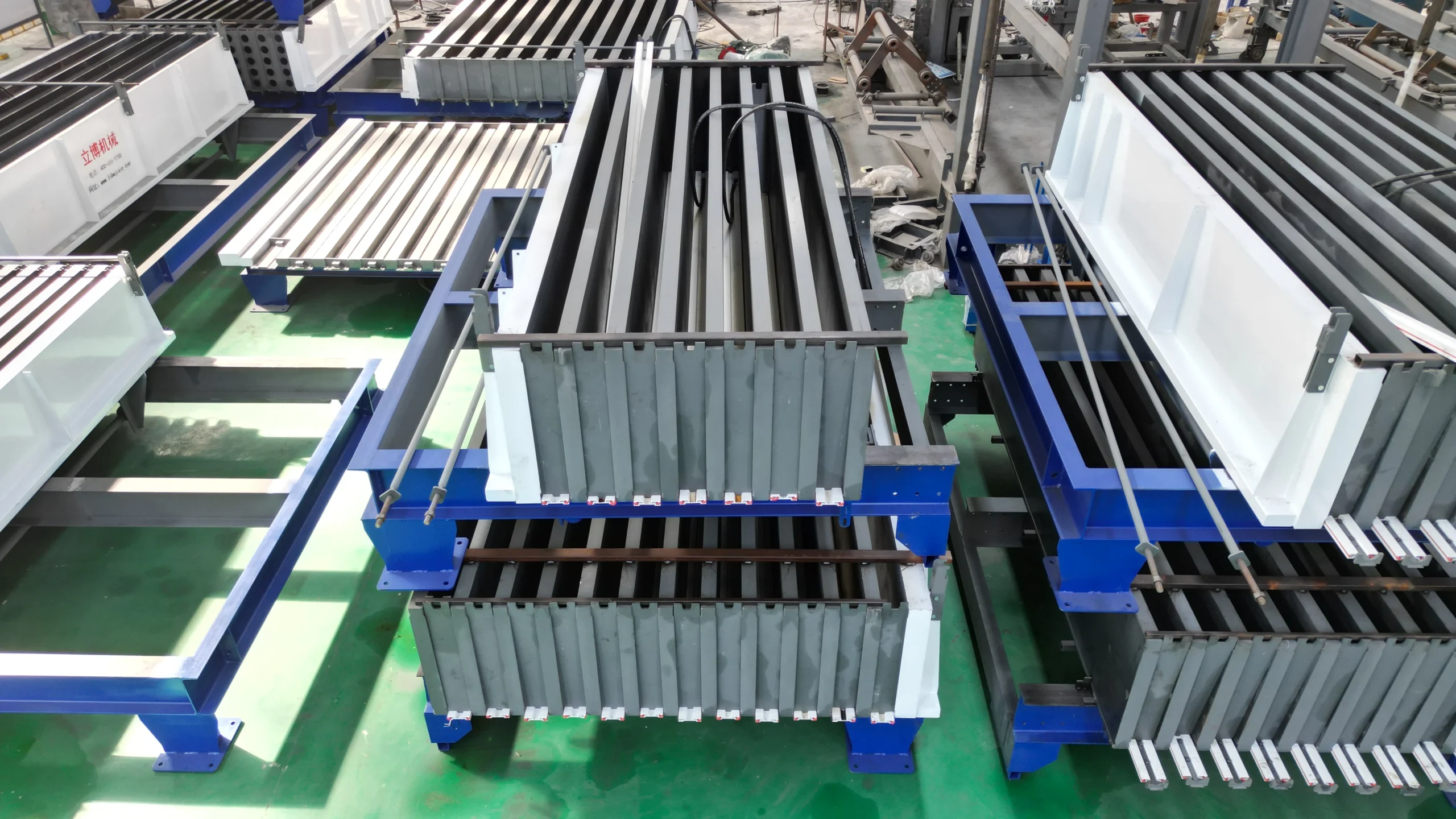
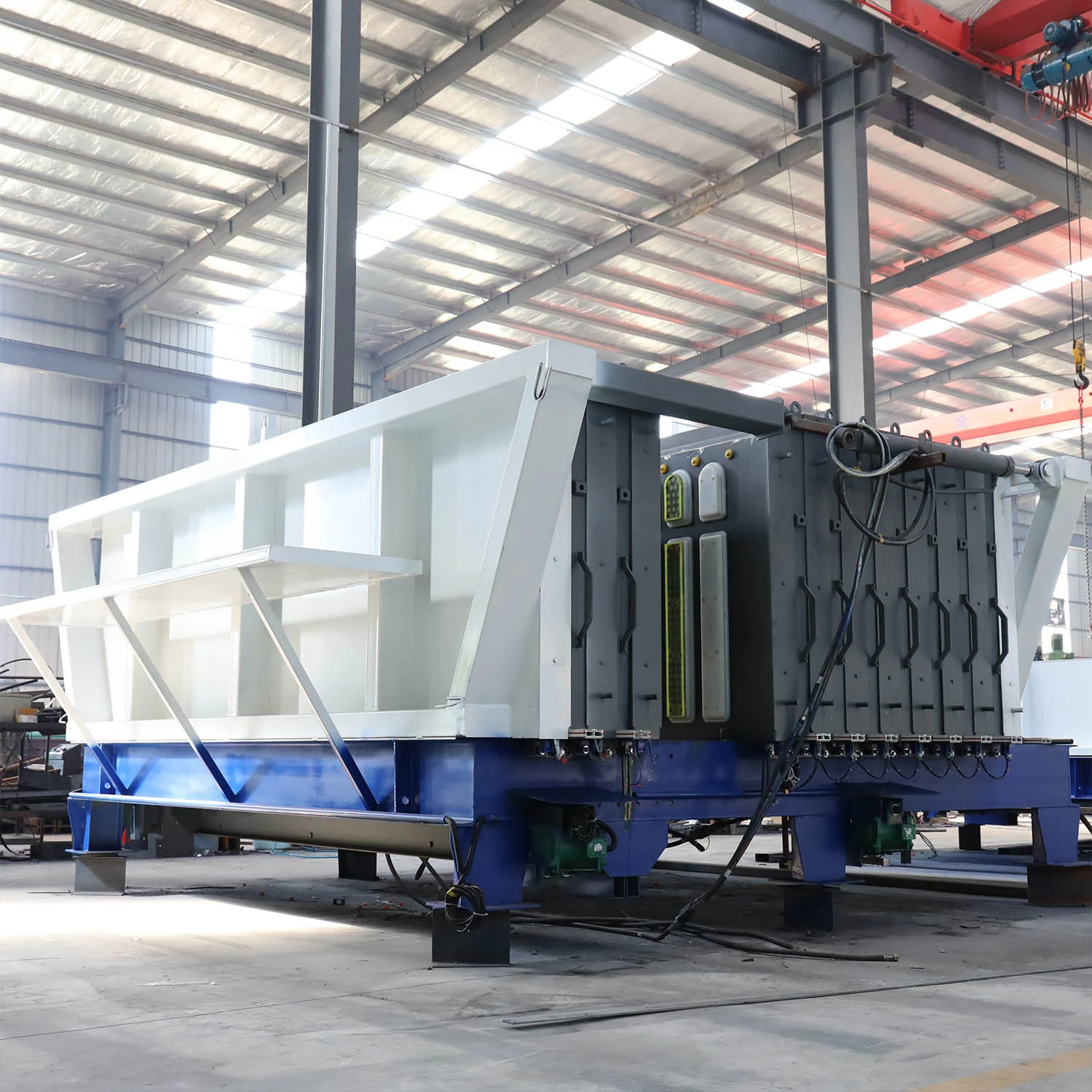
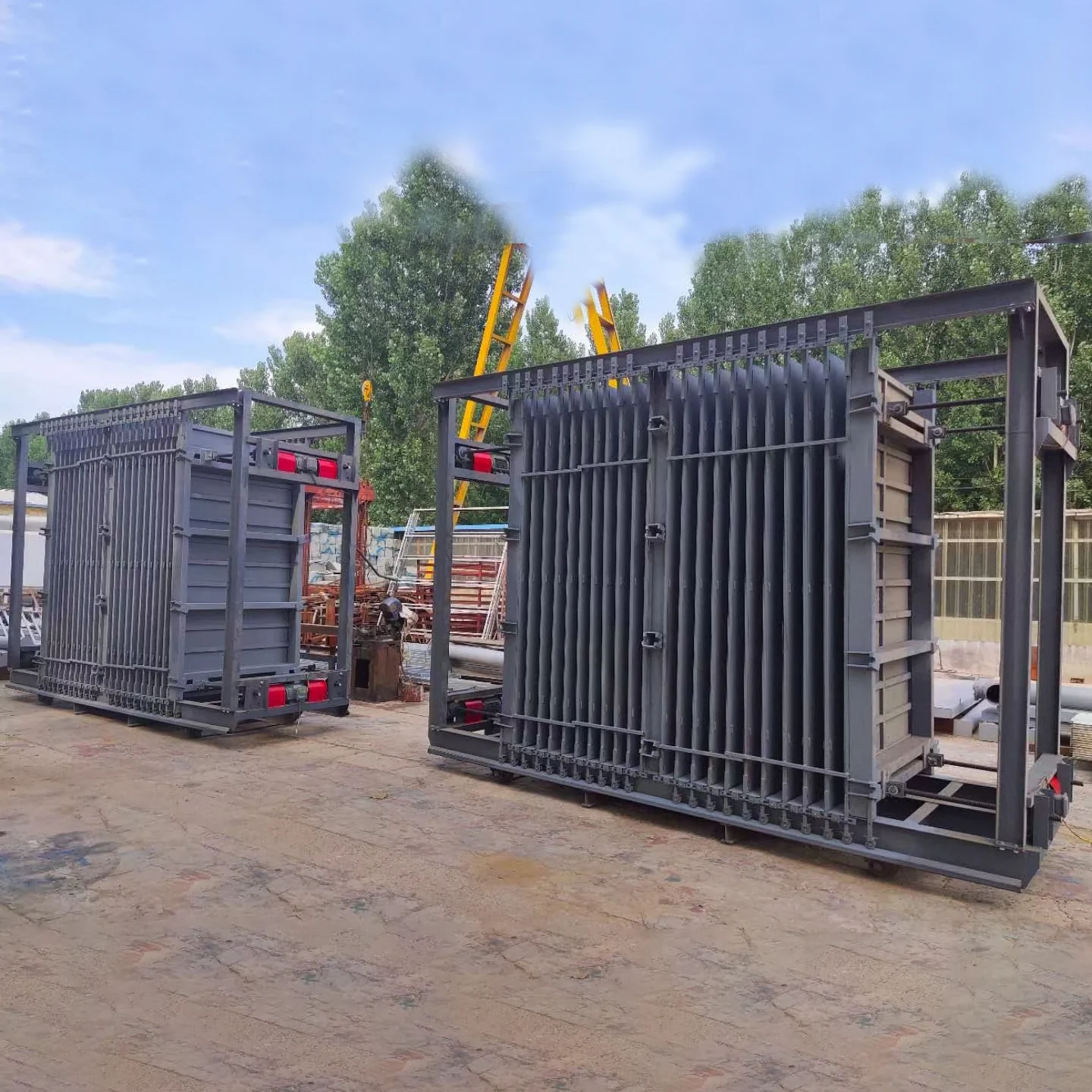
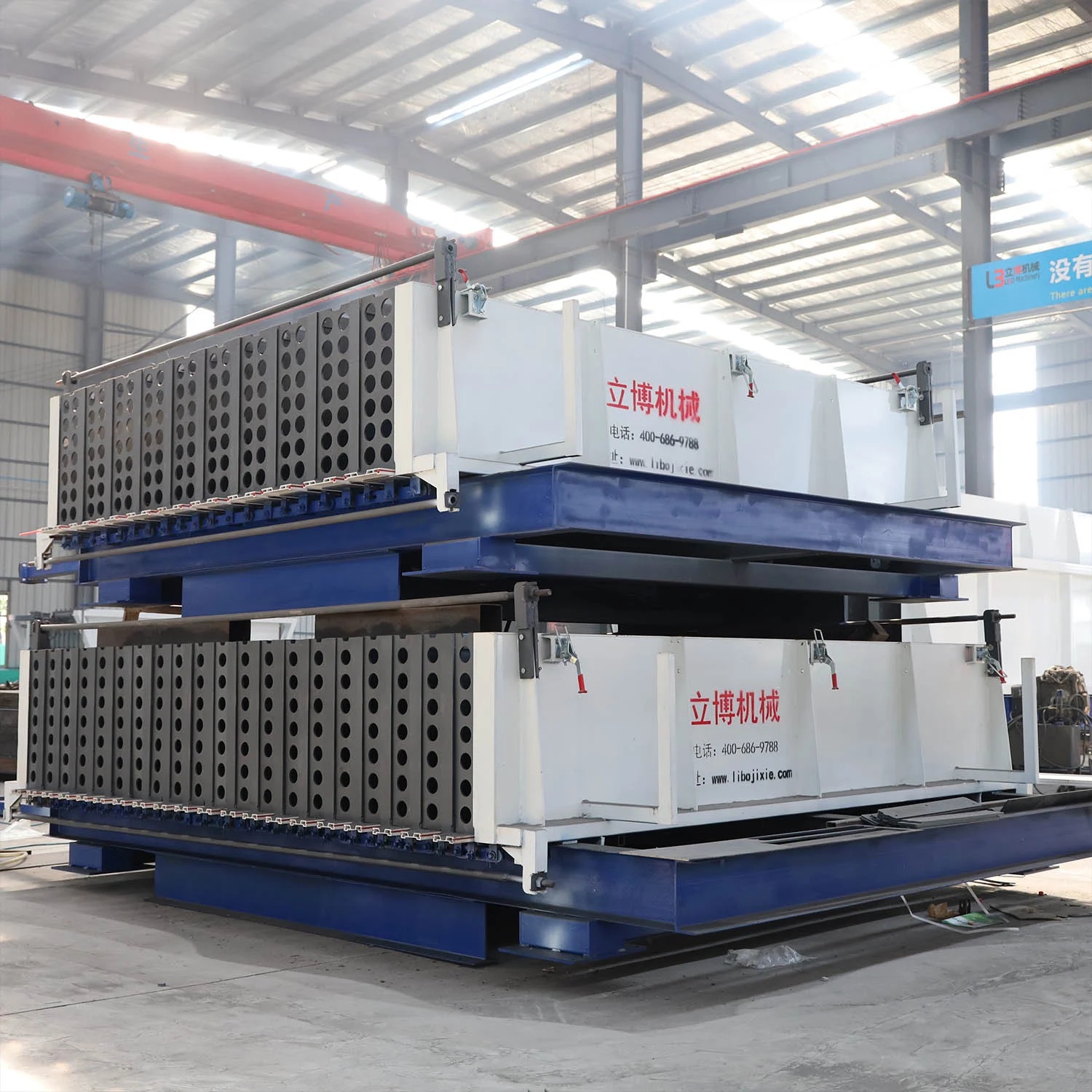
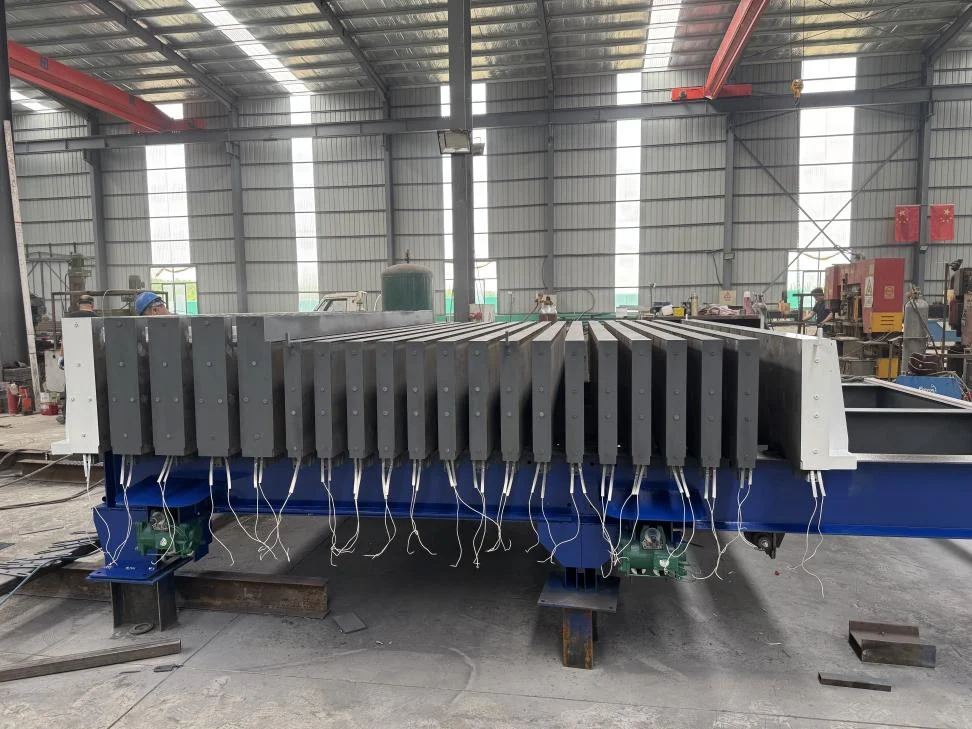
2.6 Molding System
The molding system is where the wall panels take their shape. After the slurry is poured, the system uses vibration to compact the material. It is highly flexible; by simply changing the mold inserts, you can produce panels of different thicknesses ranging from 60mm to 200mm.
2.7 Panel Output System
Once the panels have solidified, the hydraulic output system takes over. It smoothly pushes the finished panels out of the molds. This automated process replaces heavy manual labor and prevents the panels from cracking or chipping during removal.
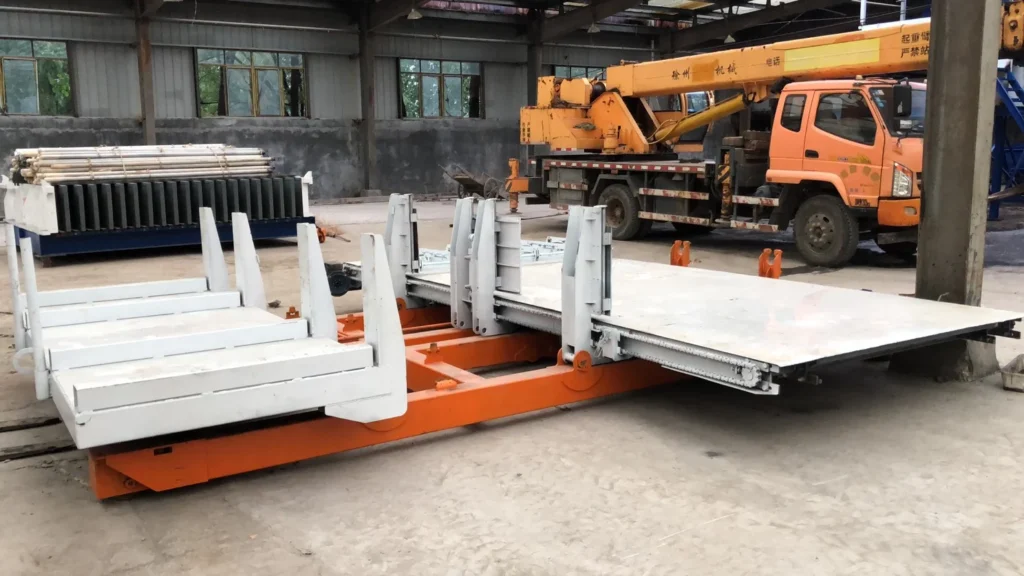
2.8 Stacking System
The final step is the stacking system. It neatly organizes the finished wall panels and stacks them together for curing and storage. This system maximizes your warehouse space and makes it much easier for forklifts to load the products onto trucks for delivery.
3. The Step-by-Step Production Process
The Jinan Libo production line is designed for “one-key” operation. Here is how the raw material becomes a finished wall panel:
Preparation: Materials like cement and fly ash are stored in silos.
Automatic Feeding: The system pulls the exact amount of powder needed using a sealed conveyor.
Precision Weighing: The computer checks the weight of every ingredient (water, powder, and additives) to ensure the formula is perfect.
High-Speed Mixing: The materials are mixed for 3–5 minutes until the slurry is smooth.
Even Distribution: The slurry is poured into molding carts.
Molding & Solidifying: The slurry vibrates to remove air bubbles and then hardens naturally into a solid panel.
Automatic Discharge: The machine gently pushes the panels out of the mold.
Stacking & Curing: The finished panels are stacked neatly, ready to be shipped to the construction site.
4. 6 Benefits of Using Lightweight Wall Panels
Why are developers switching from bricks to Libo wall panels? Here are the six main reasons:
Lightweight: Being half the weight of clay bricks means the entire building is safer and requires less steel in the foundation.
Lower Costs: No high-heat firing is needed. Since they cure naturally, you save significantly on fuel and energy.
Fast Construction: These panels are large and easy to snap together. Construction is 2x faster than traditional bricklaying.
Superior Soundproofing: A 10cm Libo panel blocks more sound than a 24cm thick brick wall, reaching levels over 45dB.
More Living Space: Using 10cm-thick lightweight wall panels for indoor partitions instead of 24cm-thick brick walls adds about 10 ㎡ of usable space per 100 ㎡ house, improving space utilization.
Ready for Paint: The surfaces are perfectly flat. You can paint or wallpaper them immediately without waiting months for “wet” walls to dry.
5. Frequently Asked Questions (FAQ)
Q: Is this machinery hard to operate?
A: Not at all. It uses a PLC central control system. Most of the work is done by the computer. A worker can learn to run the entire line in just 1–3 days of training.
Q: Can I change the size of the panels?
A: Yes. By simply changing the molds in the molding carts, you can produce panels of different thicknesses (60mm to 200mm) and lengths (up to 3 meters).
Q: What happens if one part of the machine breaks?
A: Because of our modular design, each of the eight systems can be maintained separately. You don’t have to take apart the whole line to fix one section, which keeps repair costs very low.
Conclusion
The Jinan Libo Lightweight Wall Panel Production Line is the ultimate upgrade for any building material business. By moving from traditional bricks to automated panel production, you reduce labor costs by 60%, increase construction speed, and provide a superior product to your clients.
With 20 years of experience and over 20 technical patents, Jinan Libo Machinery is your trusted partner for green building solutions. We provide more than just machines—we provide training, technology, and long-term support.
Are you ready to upgrade your production?
Contact Jinan Libo Machinery today for a custom quote, equipment configuration, and a detailed project plan. Let’s build a greener future together!